Blog
High-value AMR workflows in automotive: 3 proven use cases
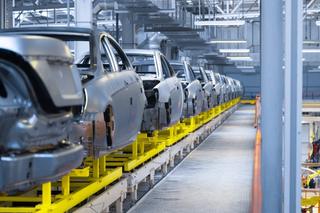
Autonomous mobile robots (AMRs) help automotive manufacturers increase throughput, improve safety, and reduce operational strain—without adding rigid infrastructure. From small interior components to critical parts like transmissions and tires, AMRs are moving materials across some of the world’s largest automotive manufacturing facilities.
Below are three of the highest-impact AMR workflows in automotive—and the measurable results OEMs achieved after deploying OTTO AMRs.
Sub-assembly to main line: How a top automotive OEM increased production rate by 20%
At a Fortune 500 automotive OEM’s most profitable plant, outdated automated guided vehicles (AGVs) could no longer keep pace with their dynamic production demands. Fixed magnetic paths created production bottlenecks when obstructed, and supporting a new line 700 meters away would require miles of additional magnetic tape and nearly double the fleet.
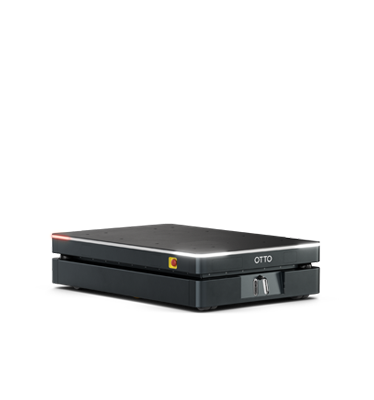
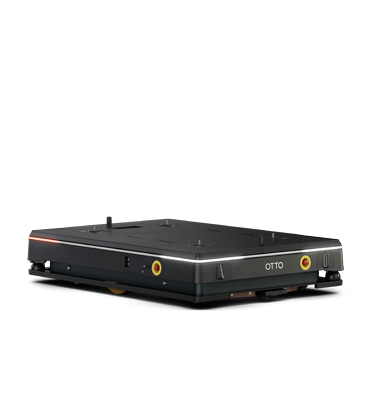
To solve these challenges, the OEM replaced its AGVs with more than 160 OTTO 1500 AMRs equipped with custom fixed-rack attachments. The AMRs transport door panels from the sub-assembly cell to two lines located 700 meters apart for final assembly. Integrated with Rockwell’s FactoryTalk Optix for dynamic dispatching, the solution was deployed in multiple phases with no production disruption and achieved a 20% increase in production rate.
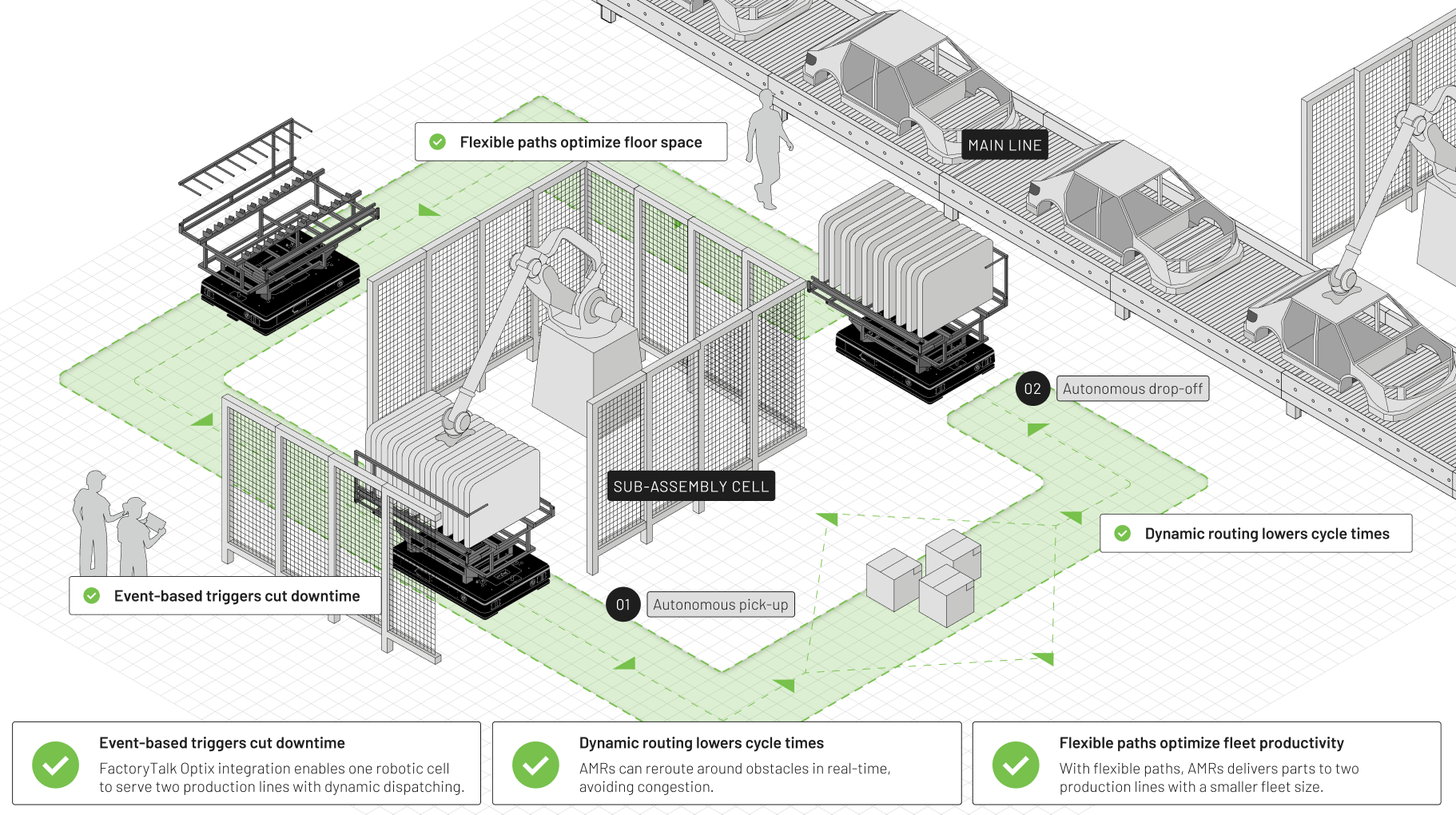
Image 1: How the automotive OEM solved their challenges in the sub-assembly to main line workflow.
Marketplace to main line: How a world-leading automotive OEM improved takt time by 39%
At another Fortune 500 automotive OEM plant, workers were manually pushing carts full of parts from the marketplace to the main line—often multiple times per shift and over many miles. This pulled labor away from value-added tasks, limited throughput, and created safety concerns in high-traffic shared spaces.
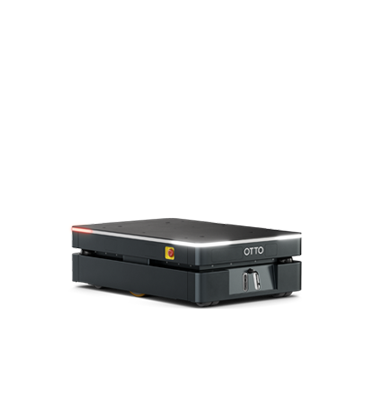
To meet their high-density production goals, the plant deployed more than 100 OTTO 100 AMRs with custom 90° turntable carts to deliver over 100 unique parts across multiple lines. The AMRs transport full carts on their narrow side, docking at the line on their wide side for operators to easily access the parts. Then, they return empty carts to the marketplace. The result was a 39% improvement in takt time, improved safety, and better labor utilization in their high-density production environment.
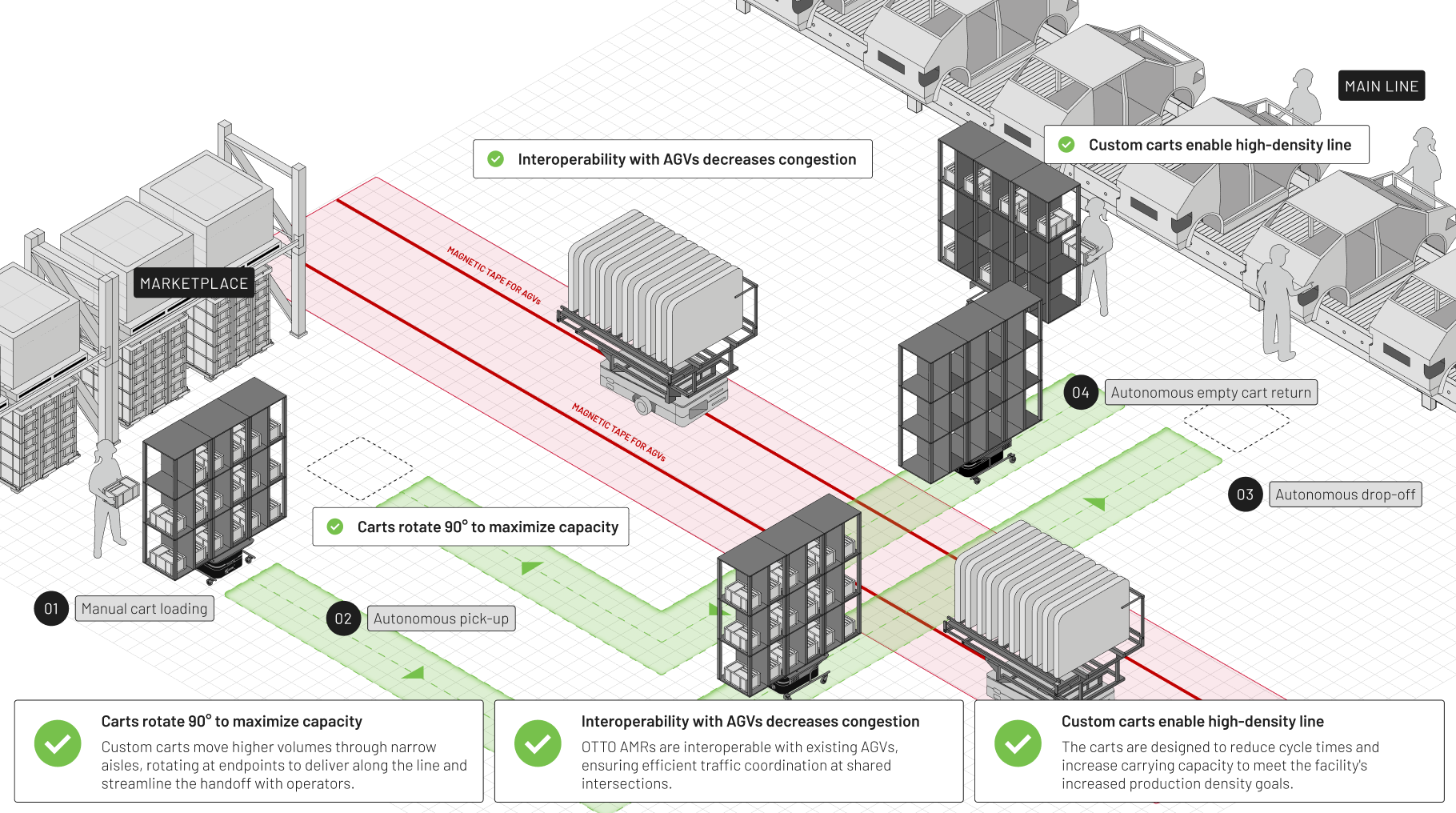
Image 2: How the automotive OEM solved their challenges in the marketplace to main line workflow.
Main line to outbound staging: How an automotive OEM deployed safe, productive autonomous mobile robots on a new high-speed line
On a newly launched high-speed powertrain line, an automotive OEM needed a fast, safe, and low-maintenance material movement solution that could keep up with their 62-second cycle time. Their existing manual forklift method couldn’t consistently meet production demands and introduced safety risks in shared pedestrian areas.
The OEM deployed 11 OTTO 1500 AMRs with lift attachments to move finished engines from the main line to outbound staging, while autonomously replenishing materials as needed. Integrated with FactoryTalk Optix to coordinate job sequencing, the solution met productivity targets, improved safety, and increased labor efficiency. Following success on this line, the workflow is now being standardized for expansion to another facility.
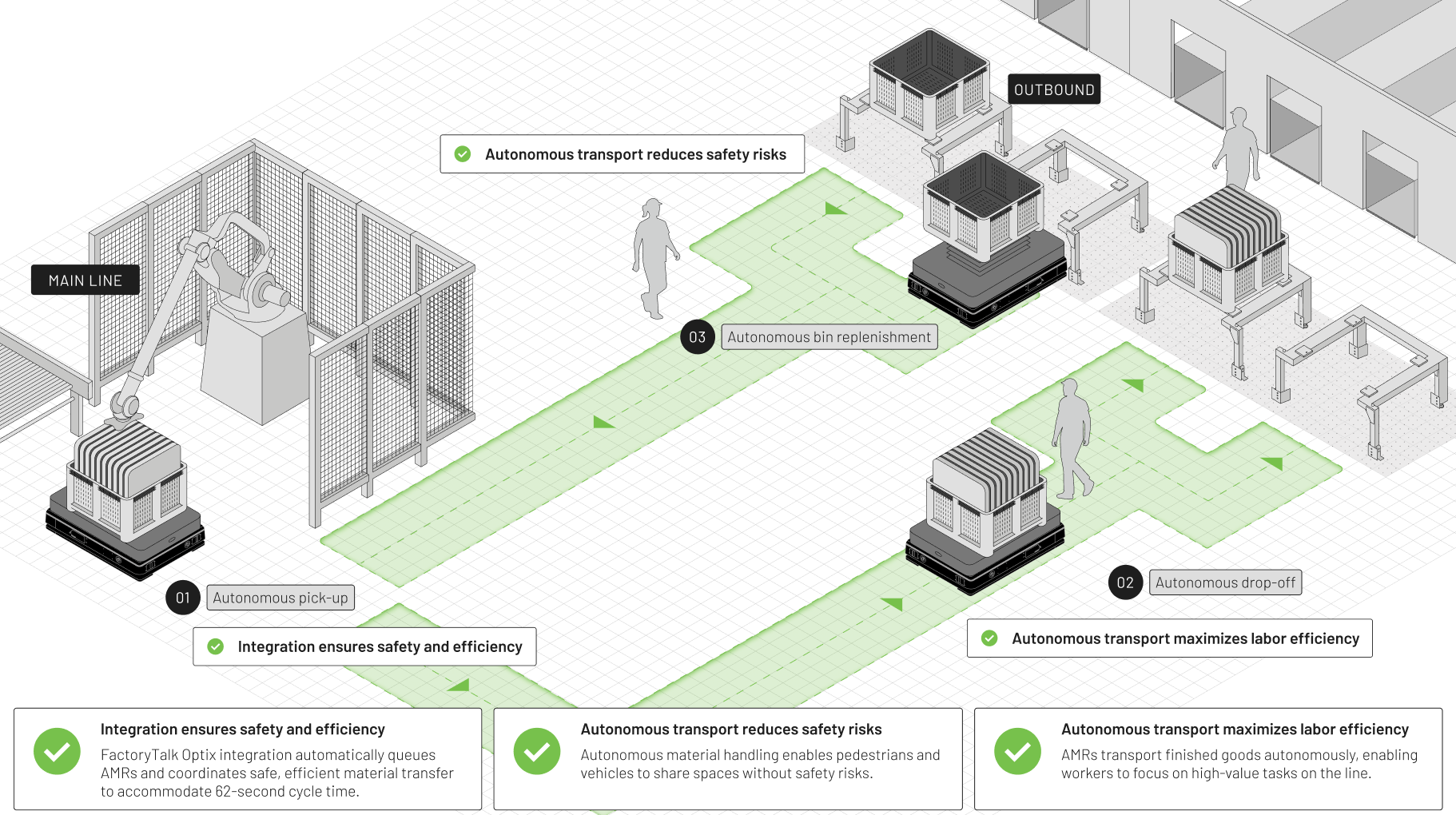
Image 3: How the automotive OEM solved their challenges in the main line to outbound staging workflow.
These three workflows highlight where AMRs are delivering measurable impact in automotive manufacturing today—improving throughput, safety, and labor utilization without adding infrastructure. To see each workflow in more detail, watch our “Top 3 AMR use cases in automotive” webinar.
Subscribe to our newsletter
Stay in the loop on product news, case studies, upcoming events and more.
Please allow all cookies to access this form.