Blog
High-value AMR workflows in consumer goods: 3 proven use cases
Autonomous mobile robots (AMRs) help consumer goods manufacturers increase efficiency, improve safety, and optimize labor—without adding rigid infrastructure. From plastic packaging and furniture to sporting goods and food products, AMRs are moving materials across some of the world’s largest consumer goods manufacturing facilities.
Below are three of the highest-impact AMR workflows in consumer goods—and the measurable results manufacturers achieved after deploying OTTO AMRs.
Palletizer to stretch-wrapper: How a $13B CPG manufacturer improved safety and uptime
At a Fortune 500 CPG manufacturing facility, material movement relied on forklifts to transport finished goods from the palletizing cell to the stretch-wrapper. However, every time a forklift entered the cell, the palletizer had to shut down for safety reasons, creating efficiency bottlenecks. To maximize efficiency, the manufacturer put each palletizer in its own caged cell, but this consumed valuable floor space.
To solve these challenges, the CPG leader deployed two OTTO Lifter AMRs to transport boxes stacked on pallets, safely and efficiently. The AMRs safely enter the robotic cell while it is operating, reducing operator risk and allowing the machine to run continuously. Multiple palletizers can also now share a single cell, maximizing floor space.
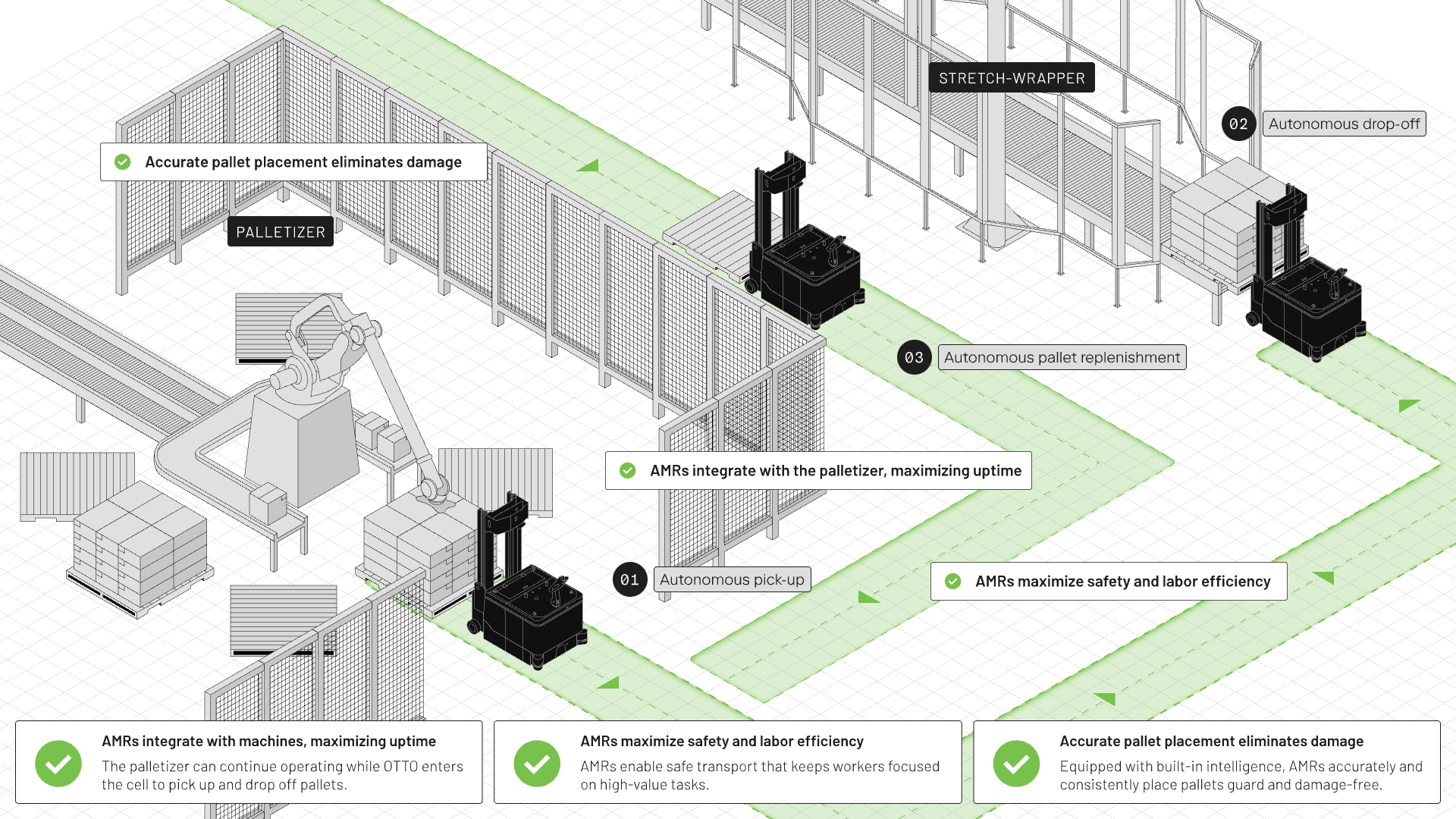
Image 1: How the Fortune 500 CPG manufacturer solved their challenges in the palletizer to stretch-wrapper workflow.
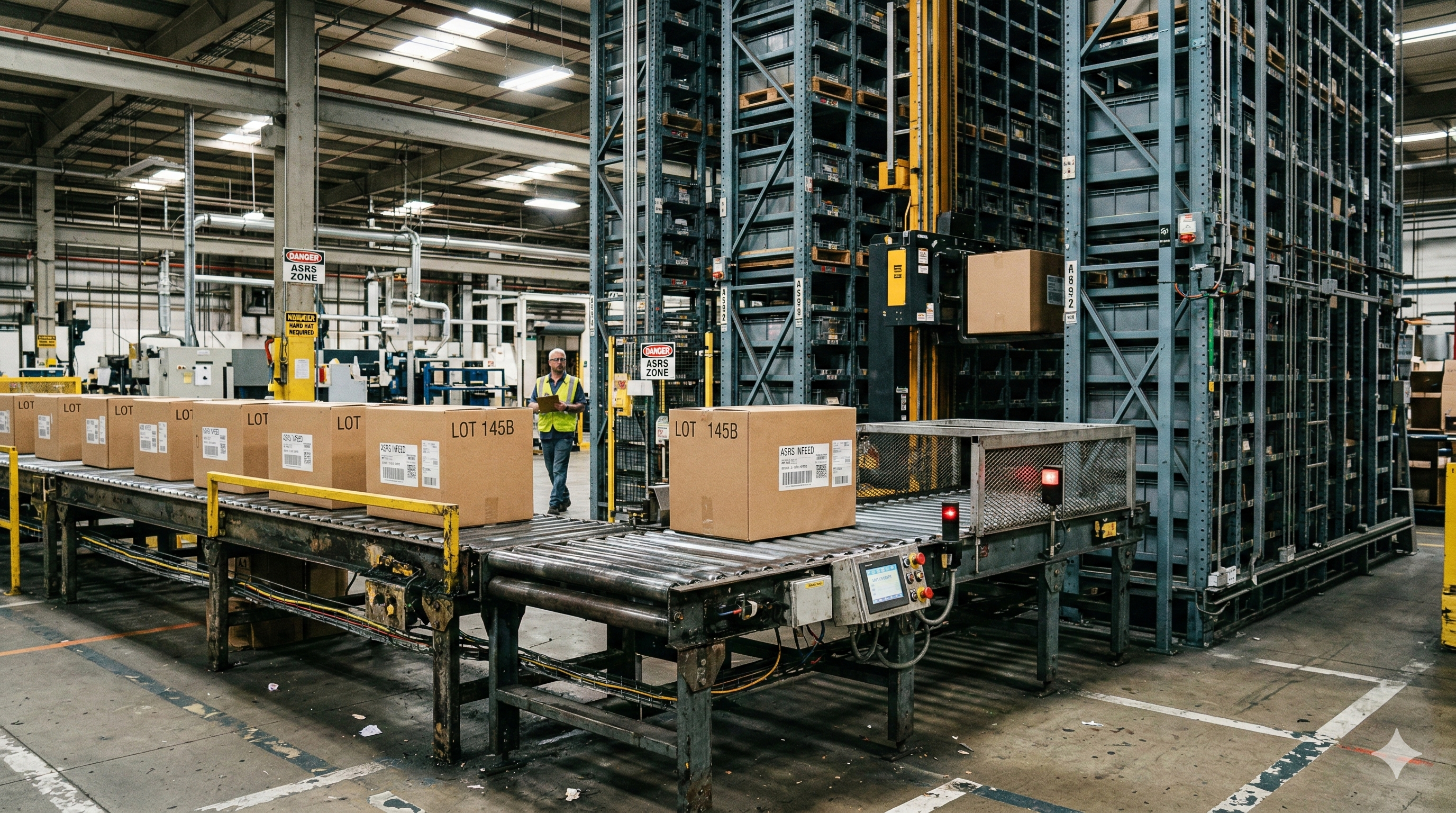
Stretch-wrapper to ASRS to outbound: How a household name in food & beverage replaced inflexible AGVs with safe autonomous mobile robots
At one of the world’s largest food and beverage facilities, outdated automated guided vehicles (AGVs) caused major safety issues when they only stopped on impact. The vehicles also relied on magnets that damaged floors when changes were needed and prevented flexible routing.
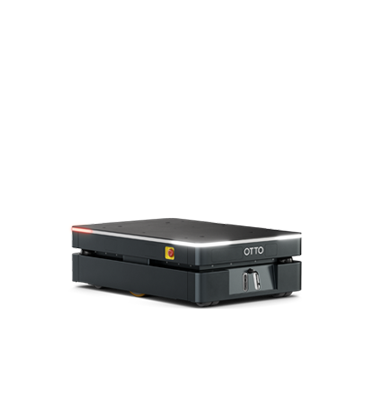
The facility deployed over 25 OTTO 1500 AMRs with custom lift attachments to safely move more than 140 pallets per hour between the stretch-wrapper, ASRS, and outbound, navigating around obstacles in real time and eliminating the need for in-floor infrastructure. This improved safety, increased flexibility, eliminated floor damage, and reduced downtime. Operators now work confidently alongside AMRs, knowing the robots are safe around people.
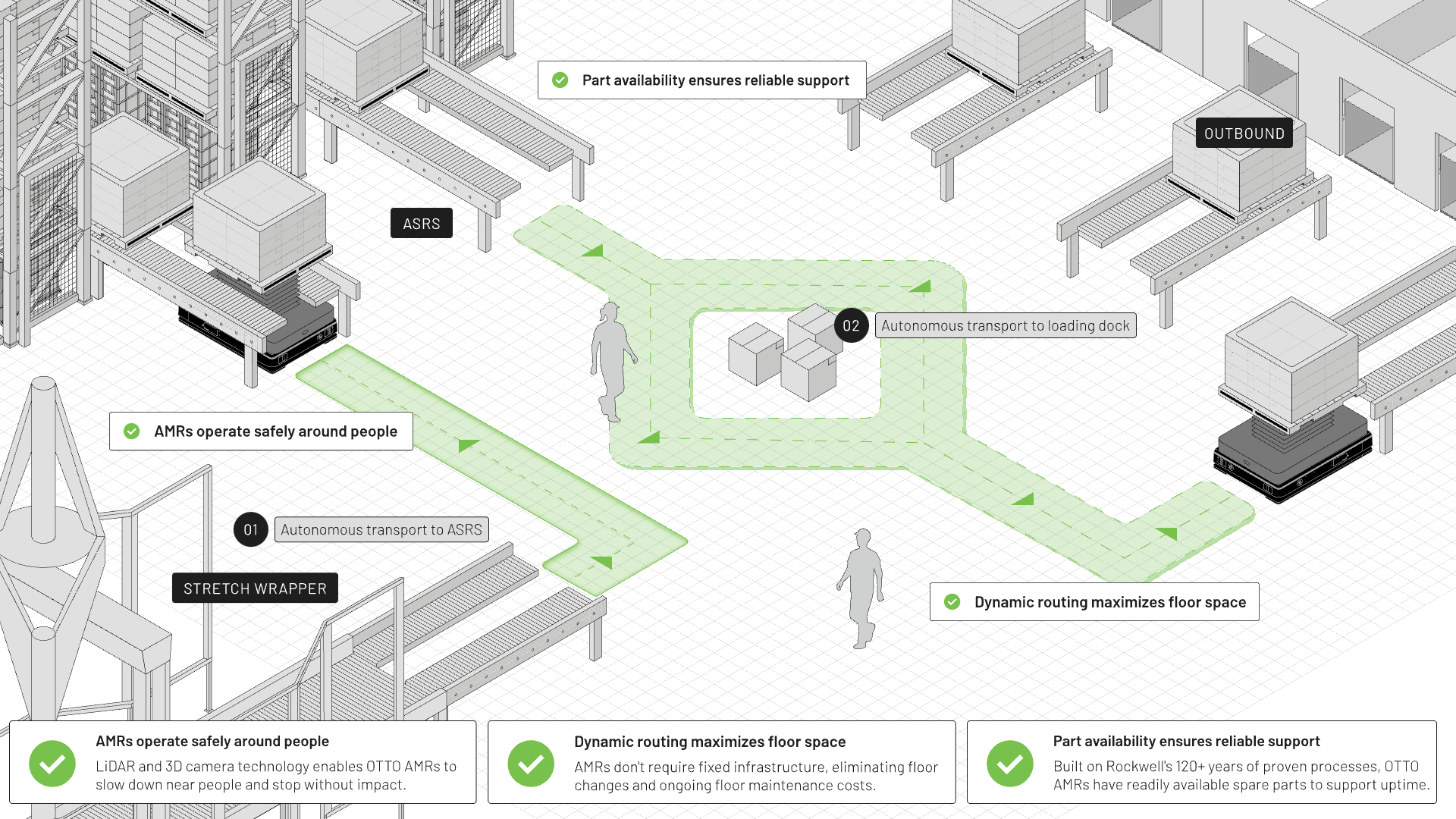
Image 2: How the leading F&B manufacturer solved their challenges in the stretch-wrapper to ASRS to outbound workflow.
Raw materials to final assembly: How a global furniture manufacturer saved 9 hours of walking per day
At a large furniture manufacturing facility, operators were pushing high stacks of shipping trays for office chairs across the plant to over ten final assembly areas, walking up to nine hours per day. This created ergonomic issues, safety risks, and reduced throughput when operators left their value-added stations.
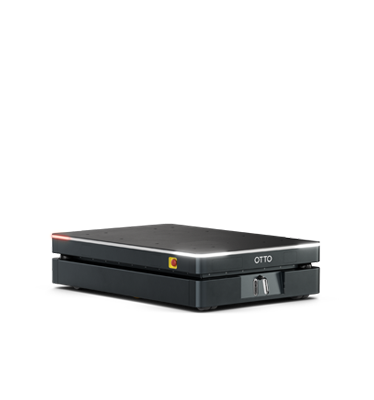
Two OTTO 100 AMRs equipped with red staging carts now pick up trays directly from the raw material assembly zone and autonomously deliver them to the final assembly stations. Operators remain focused on value-added tasks, eliminating the nine hours of daily walking, while reducing safety and ergonomic risks. This workflow improves efficiency, throughput, and worker well-being, allowing the facility to meet production demands without adding infrastructure.
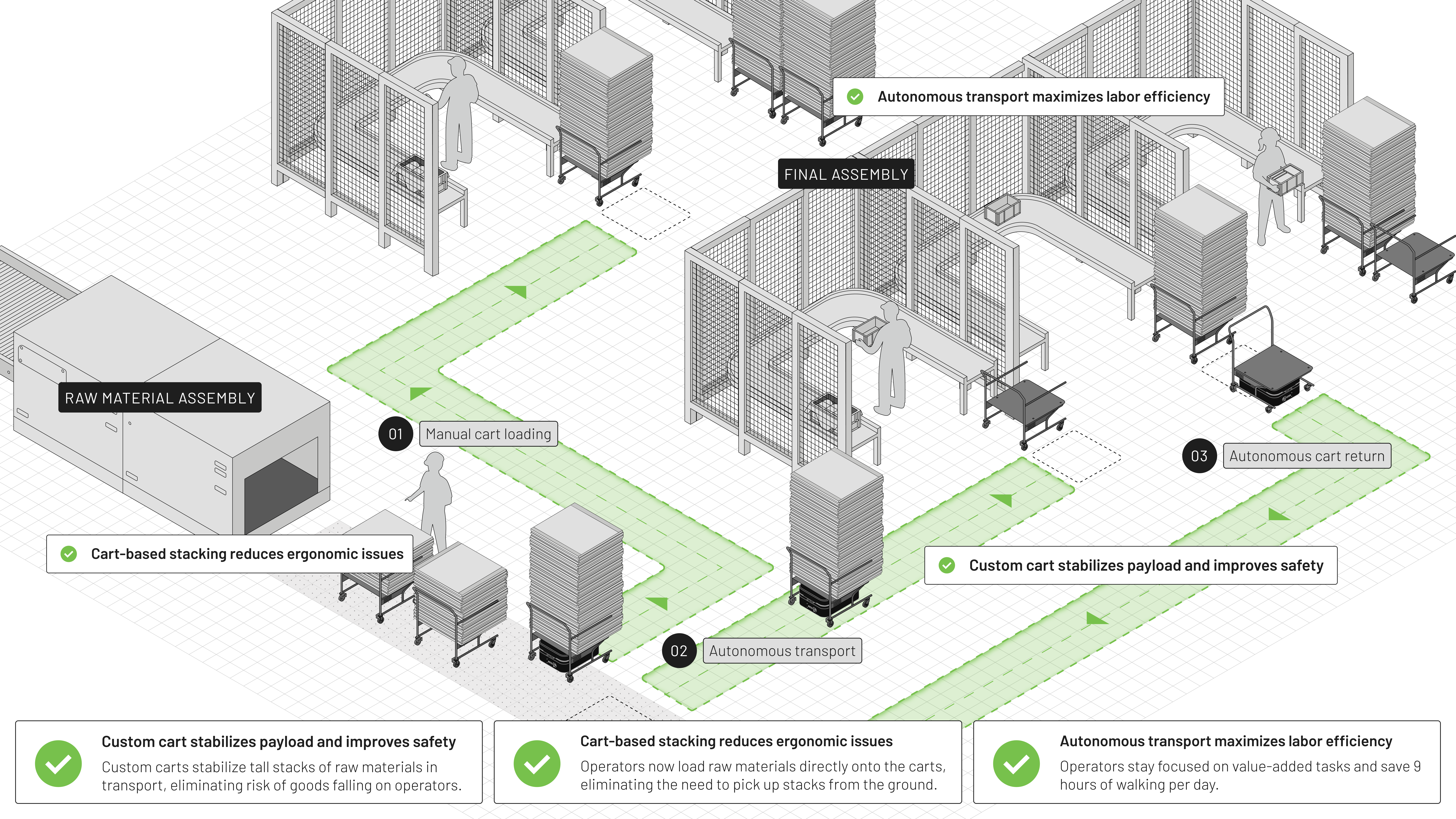
Image 3: How the global furniture manufacturer solved their challenges in the raw materials to final assembly workflow.
These three workflows highlight where AMRs are delivering measurable impact in consumer goods manufacturing today—improving efficiency, safety, and labor utilization without adding infrastructure. To see each workflow in more detail, watch our “Top 3 AMR use cases in consumer goods” webinar.
Subscribe to our newsletter
Stay in the loop on product news, case studies, upcoming events and more.
Please allow all cookies to access this form.