
On this page:
Webinar
Results in motion series
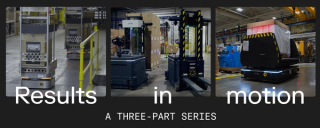
Manufacturers are under constant pressure to eliminate bottlenecks, adapt to changing production demands, and enhance workplace safety while delivering measurable business results. Understanding how to achieve these successful outcomes is critical to building a strong business case and delivering ROI.
In this three-part webinar series, OTTO experts break down how leading manufacturers are solving the most common operational challenges with autonomous material handling solutions. Through deployment examples, proven design approaches, and practical lessons learned, you'll gain insights to help you evaluate, plan, and scale your organization's automation initiatives.
THREE-PART SERIES
Choose your sessions
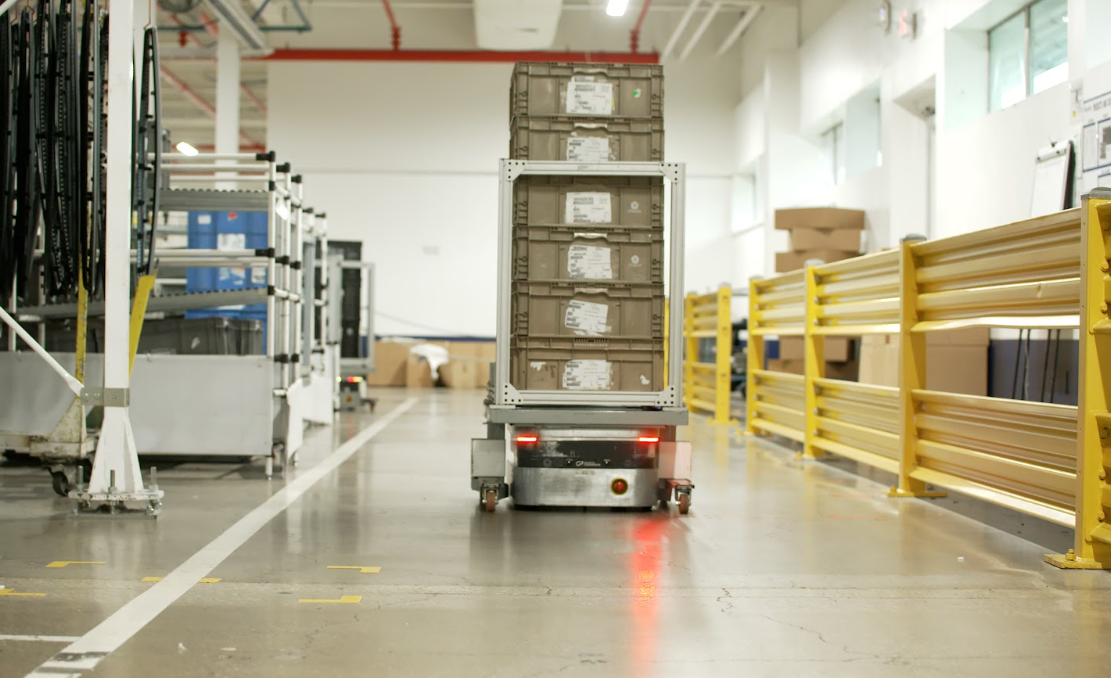
Part 1: Production Variability
Future-proofing operations with flexible material flow
What does it take to keep material flow aligned with changing production demands? Join this session to explore how manufacturers are implementing autonomous mobile robots to stay flexible against fluctuating volumes, evolving workflows, and future growth without major infrastructure changes.
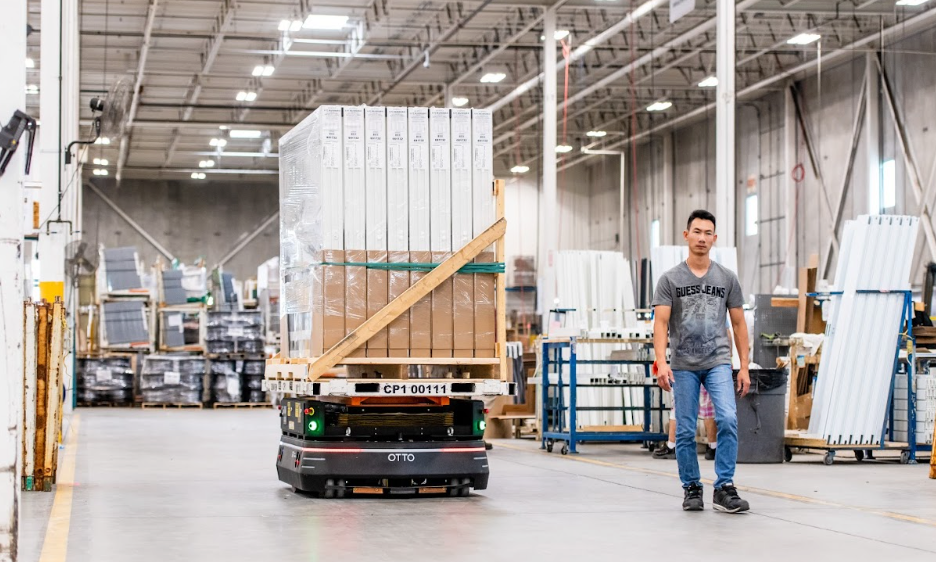
Part 2: Workforce Safety
Prioritizing safety in material handling operations
How can manufacturers enhance workforce safety while improving material movement? This webinar explores how autonomous mobile robots are helping teams reduce ergonomic strain, minimize physically demanding and repetitive tasks, and support safer, more fulfilling environments for operators.
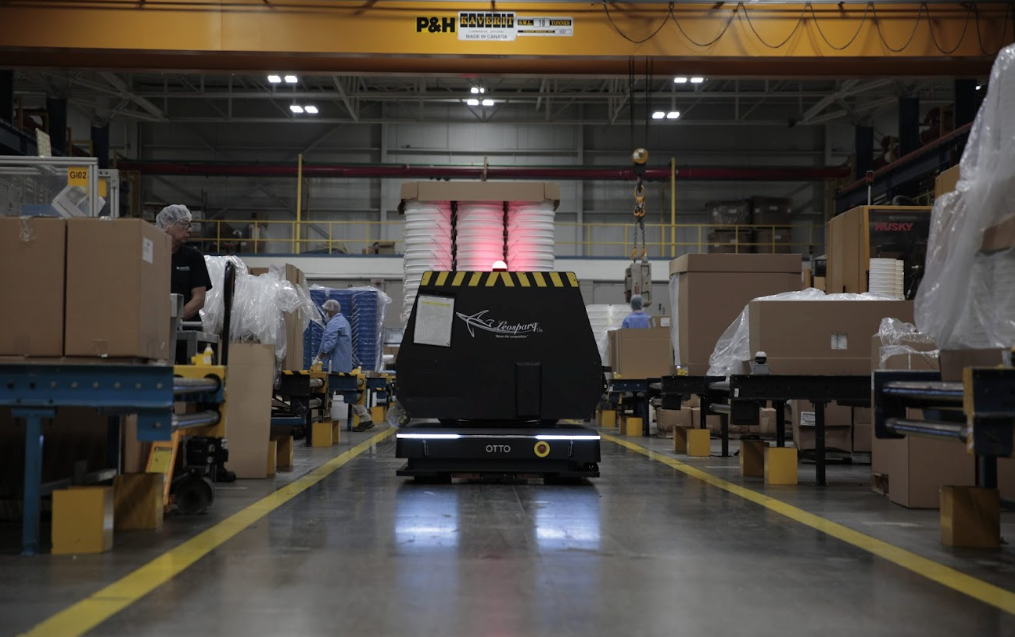
Part 3: Production Throughput
Increasing throughput with reliable material flow
How are manufacturers increasing production output without adding operational complexity? Join this session to see how manufacturers are automating material flow to reduce bottlenecks and support more consistent performance across dynamic operations.
Watch the series on-demand.
1. Future-proofing operations with flexible material flow 2. Prioritizing safety in material handling operations 3. Increasing throughput with reliable material flow
Please allow all cookies to access this form.