Blog
Top automotive OEM improves takt time by 39% with OTTO AMRs

Autonomous mobile robots (AMRs) can deliver rapid ROI, improve safety, and increase efficiency—but the biggest gains come when they’re applied to the highest-value workflows. In the automotive industry, one of the most common and impactful workflows is moving materials from the marketplace to the main line. Here’s how one Fortune 500 automotive OEM modernized this workflow to improve takt time.
At a world-leading automotive OEM, manual cart transport limited productivity in a high-density environment
Before deploying AMRs, operators at this top automotive OEM manually transported parts in small carts from the marketplace to the main line and back again—often multiple times per shift and across miles of travel. This process pulled skilled labor away from value-added assembly tasks and directly limited throughput in their high-density production environment.
Compounding this challenge, automated guided vehicles (AGVs) carrying work-in-progress (WIP) goods on magnetic lines operated along an assembly-line-style fixed path that ran directly through operators’ material transport routes. When workers approached shared intersections, they had to stop and wait for the AGVs to pass—introducing delays, disrupting flow, and increasing congestion in an already constrained production space.
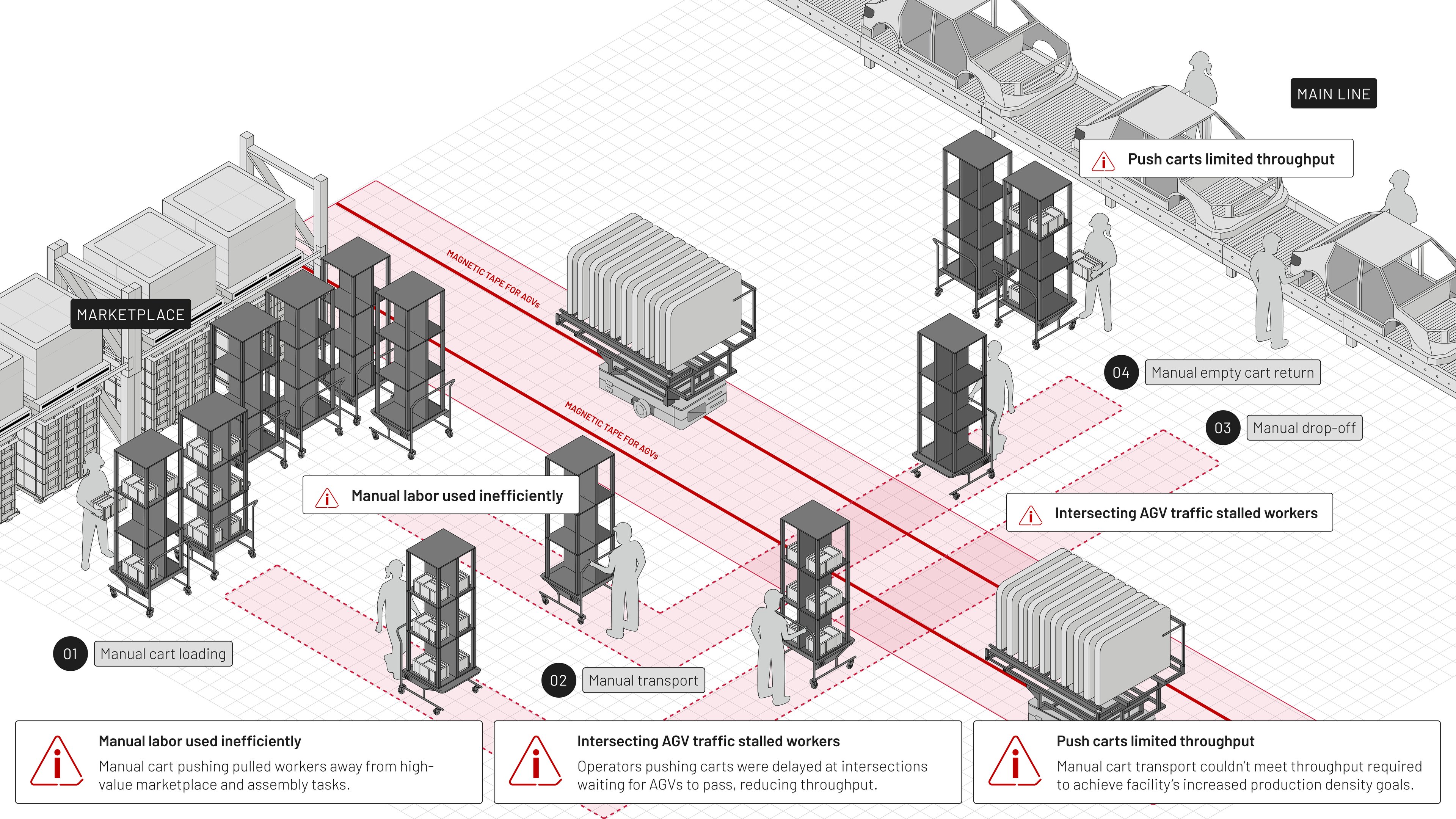
Image 1: The automotive OEM experienced three key challenges with their previous manual solution.
Manufacturer deploys autonomous mobile robots to increase labor efficiency and improve takt time by 39%
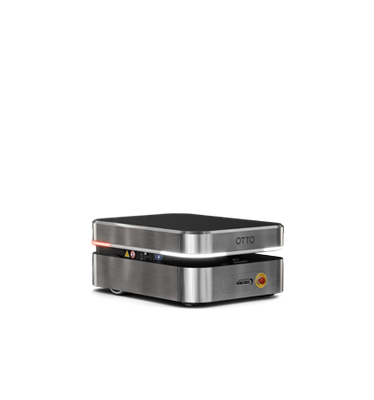
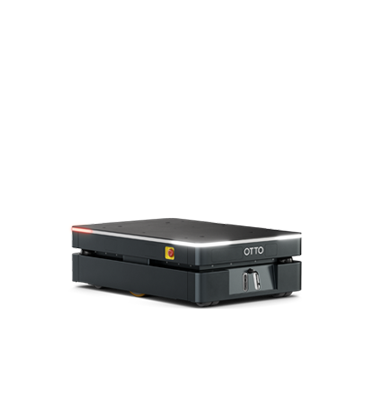
To meet the facility’s high-density production goals, the OEM deployed more than 100 OTTO 100 AMRs equipped with custom carts to deliver over 100 unique parts across multiple assembly lines.
In this workflow, carts are loaded at the marketplace, then autonomously picked up and transported to the main line by an AMR. Once empty, another AMR returns the cart to the marketplace—eliminating the need for operators to leave their value-added stations.
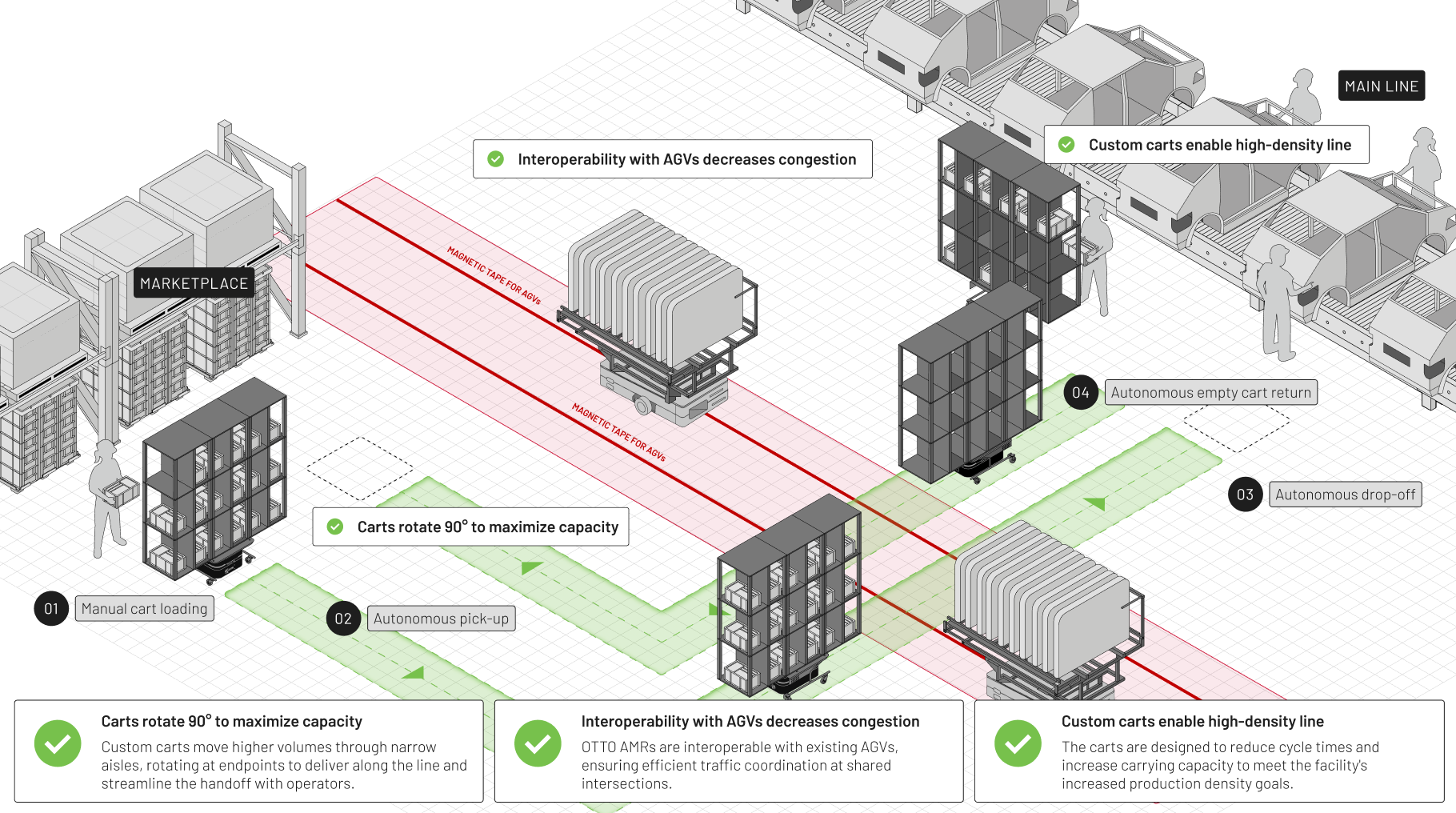
Image 2: By deploying AMRs, the automotive OEM solved their challenges.
To support both narrow travel paths and ergonomic line-side part presentation, OTTO developed a custom 90° turntable cart that integrated with the AMRs. This design allows the cart to move through tight aisles in a narrow orientation, then rotate at the line for wide-side part access. By reallocating labor to value-added production work, the plant improved safety, increased operational efficiency, and achieved a 39% improvement in takt time.
Marketplace to main line is just one example of where AMRs can deliver measurable impact on the plant floor. To learn more and explore two additional high-value automotive workflows, watch the full webinar.
Subscribe to our newsletter
Stay in the loop on product news, case studies, upcoming events and more.
Please allow all cookies to access this form.