Blog
From AGVs to AMRs: How an automotive OEM increased production rate by 20%
Autonomous mobile robots (AMRs) can deliver rapid ROI, improve safety, and increase efficiency—but the biggest gains come when they’re applied to the highest-value workflows. In the automotive industry, one of the most common and impactful workflows is moving materials from sub-assembly cells to the main line. Here’s how one Fortune 500 automotive OEM modernized this workflow to increase production rate.
At a top automotive OEM’s most profitable plant, fixed automated guided vehicles limited flexibility and scalability
Before deploying AMRs, this household name in the automotive industry relied on automated guided vehicles (AGVs) to move door panels from a sub-assembly cell to the main line for final assembly.
Their AGVs were guided along the production floor by magnetic tape. These fixed, inflexible paths often resulted in production bottlenecks when boxes, forklifts, and other obstructions were blocking the robots’ path, stopping material flow until the obstacle was manually removed.
The challenge intensified when the OEM added a new production line 700 meters away from the original main line. Supporting this expansion with AGVs would require miles of additional magnetic tape and roughly double the number of vehicles—significantly increasing infrastructure, congestion, and investment in an already space-constrained facility.
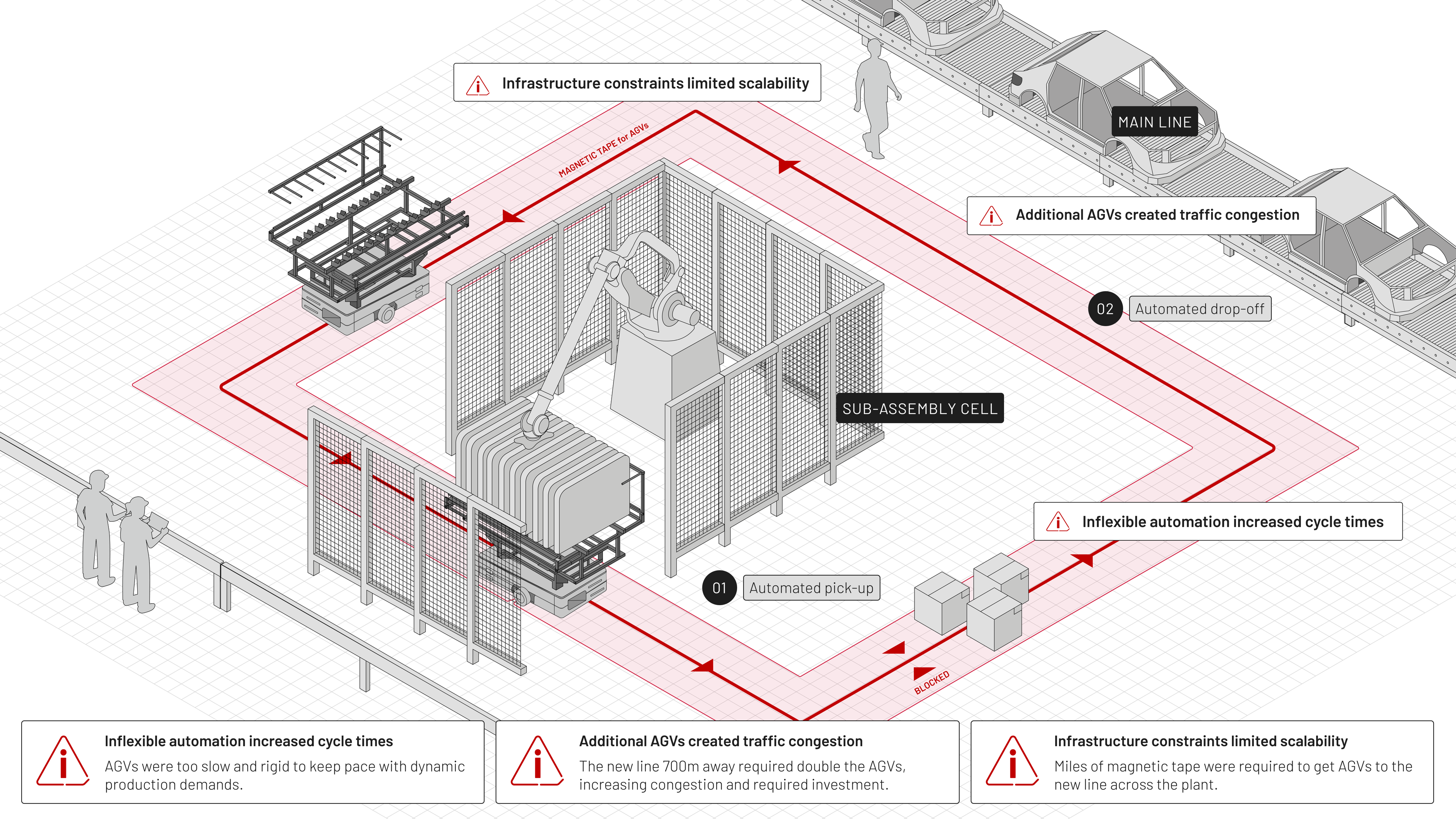
Image 1: The automotive OEM experienced three key challenges with their previous AGV solution.
Manufacturer replaces automated guided vehicles with autonomous mobile robots and increases production rate by 20%
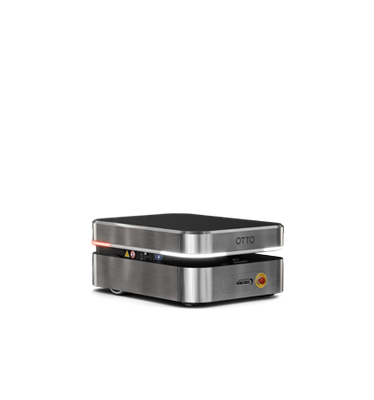
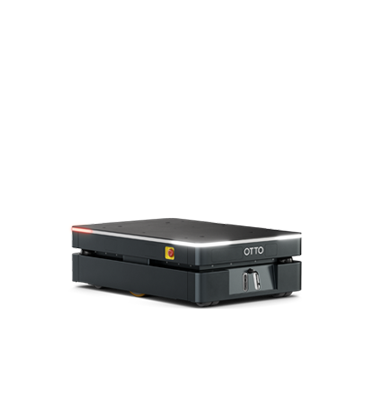
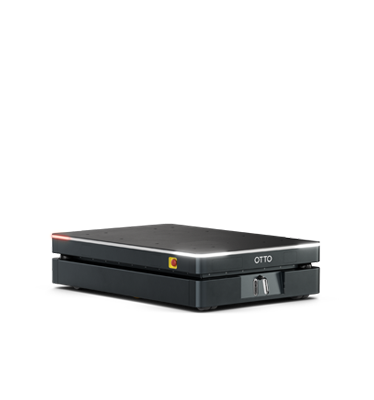
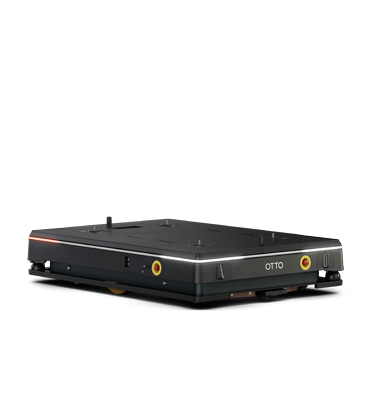
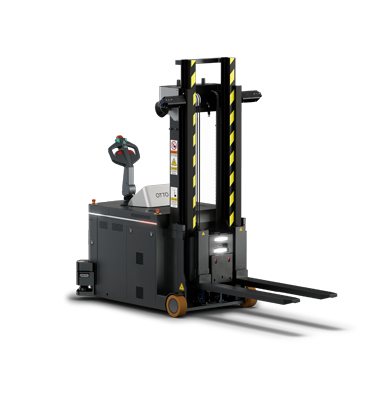
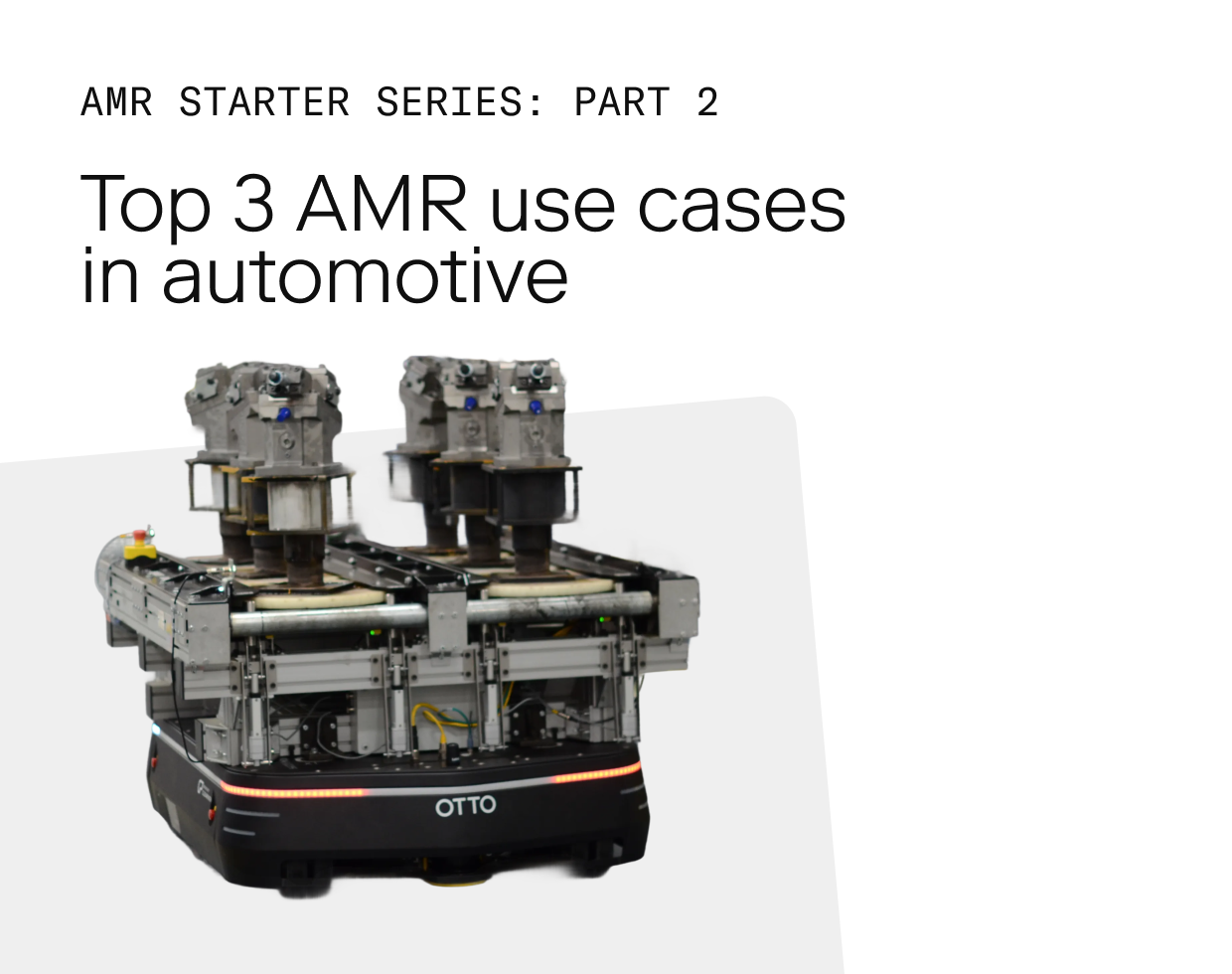
To solve these challenges and keep pace with dynamic production demands, the OEM replaced their AGVs with AMRs. In this solution, integration with Rockwell’s FactoryTalk Optix middleware enables event-based mission triggers, allowing a single robotic sub-assembly cell to automatically serve both lines based on real-time production demand. Once triggered, an OTTO AMR drives to the sub-assembly cell, where door panels are loaded directly onto the robot. The AMR then autonomously navigates to the appropriate main line and delivers the parts for use in final assembly.
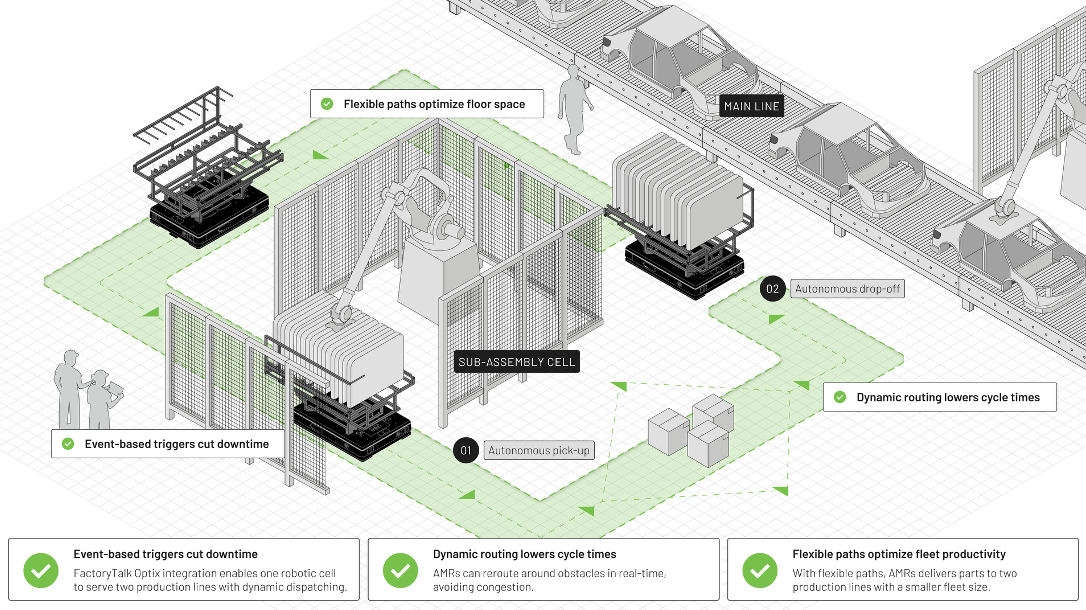
Image 2: By deploying AMRs, the automotive OEM solved their challenges.
By autonomously navigating around obstacles without fixed paths, AMRs reduce congestion and keep both production lines fed using fewer robots—ultimately driving a 20% increase in production rate. By eliminating the need for physical infrastructure and additional robots, the OEM also improved floor space utilization and reduced overall costs at its most profitable plant.
Sub-assembly to main line is just one example of where AMRs can deliver measurable impact on the plant floor. To learn more and explore two additional high-value automotive workflows, join our webinar on February 18 at 1:00 p.m. ET.
Subscribe to our newsletter
Stay in the loop on product news, case studies, upcoming events and more.
Please allow all cookies to access this form.