Blog
Leading global furniture manufacturer saves operators 9 hours of walking per day with AMRs
Autonomous mobile robots (AMRs) can deliver rapid ROI, improve safety, and increase efficiency, but the biggest gains come when they’re applied to the highest-value workflows. In the consumer goods industry, one of the most common and impactful workflows is moving raw materials to the final assembly zone. Here’s how a leading global furniture manufacturer automated this workflow to improve safety and keep operators focused on production.
At a leading furniture manufacturer, manual material transport created safety risks and limited labor efficiency
Before deploying AMRs, operators at this furniture manufacturing facility manually transported shipping trays for office chairs from the raw material assembly area to more than ten final assembly cells across the plant.
In the existing workflow, operators picked up trays stacked on the ground at raw material assembly and placed them on dollies, causing ergonomic strain from repeated lifting and bending. Once loaded, operators pushed the dollies throughout the facility to replenish assembly stations. However, the tall stacks blocked visibility, forcing operators to move slowly and carefully to prevent materials from falling and causing injury, ultimately reducing throughput.
The manual transport process also pulled workers away from value-added tasks in assembly cells for significant portions of the day. In fact, operators spent an average of nine hours per day walking materials across the facility.
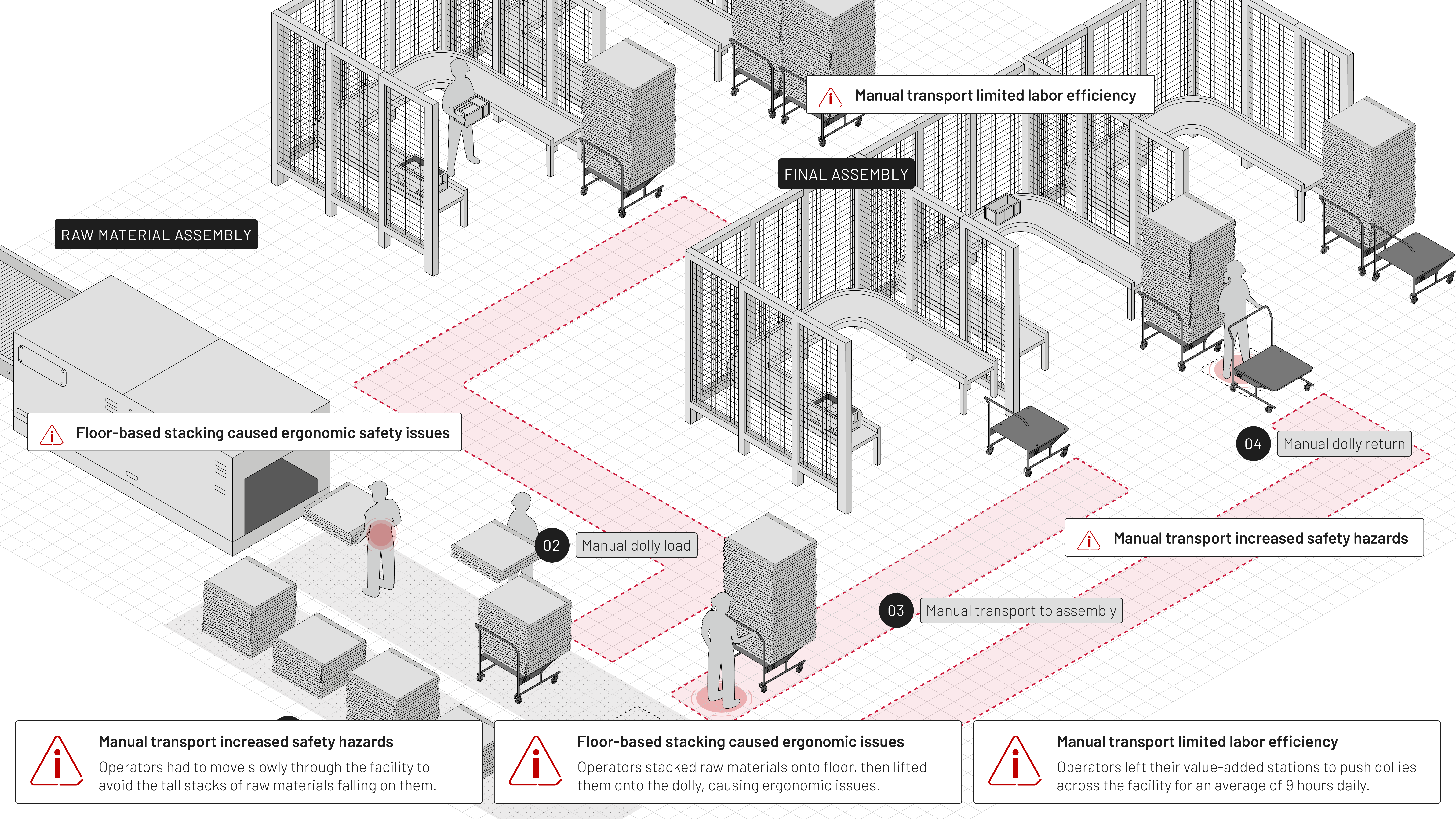
Image 1: The furniture manufacturer experienced safety hazards, ergonomic issues and labor inefficiencies with their previous manual material movement solution.
Manufacturer deploys autonomous mobile robots to automate over 9 hours of walking per day
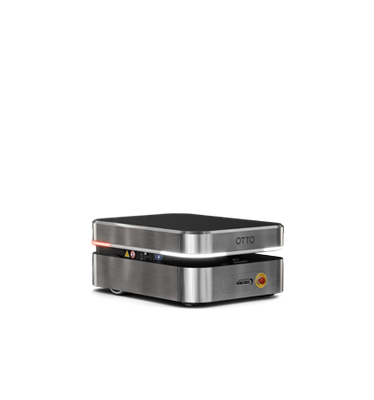
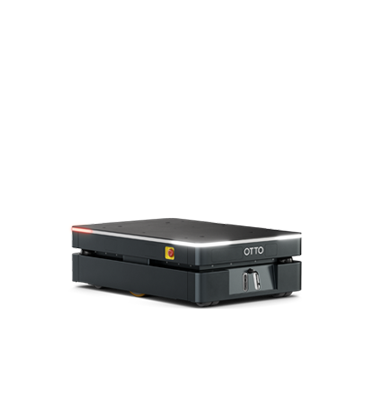
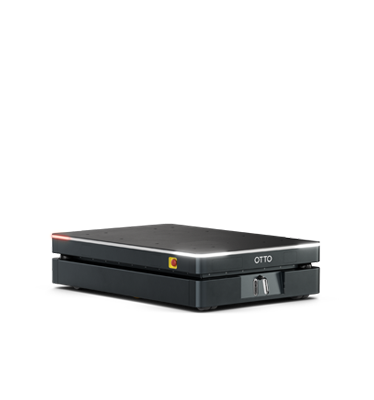
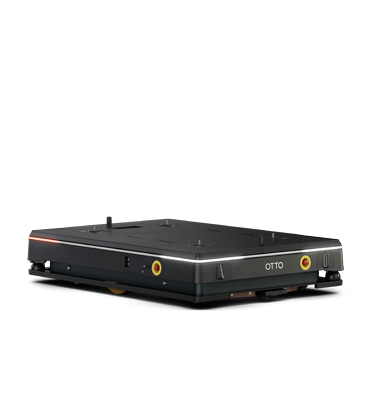
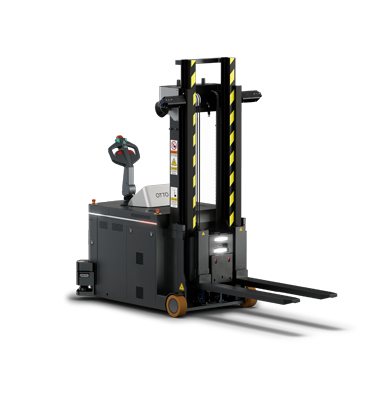
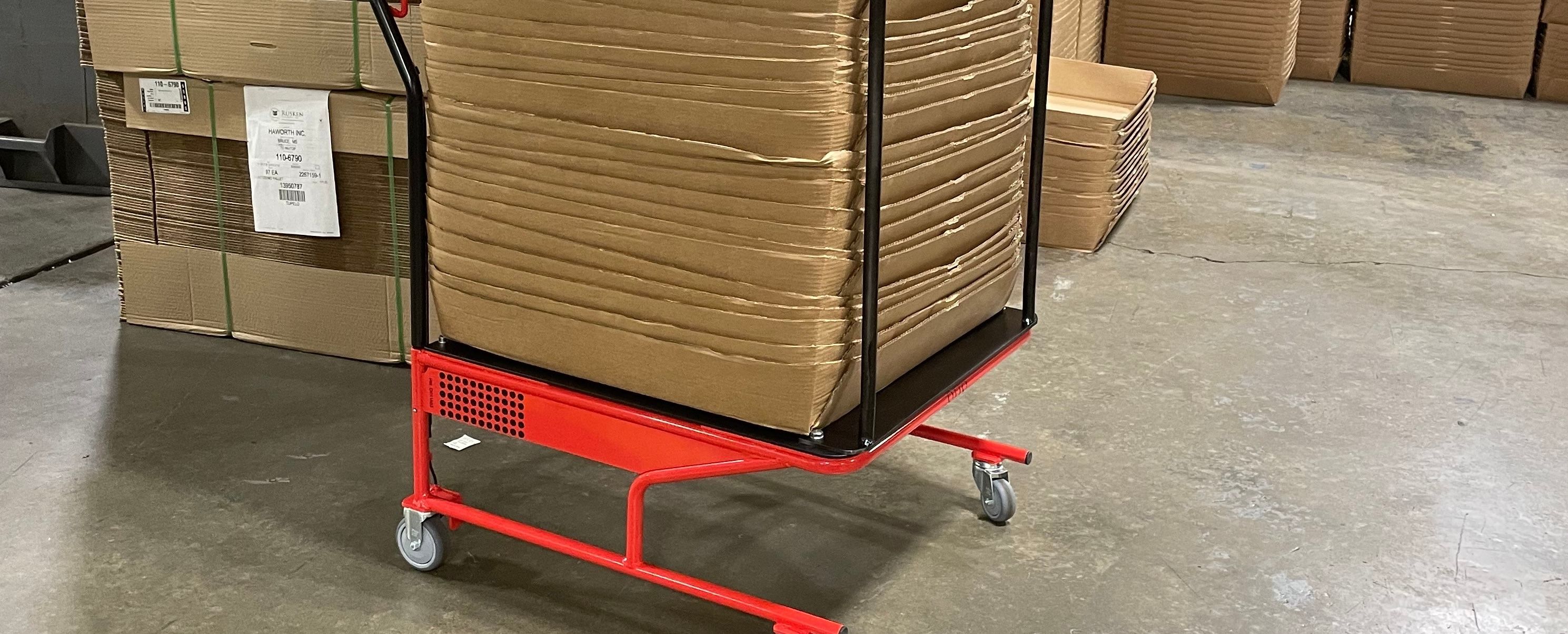
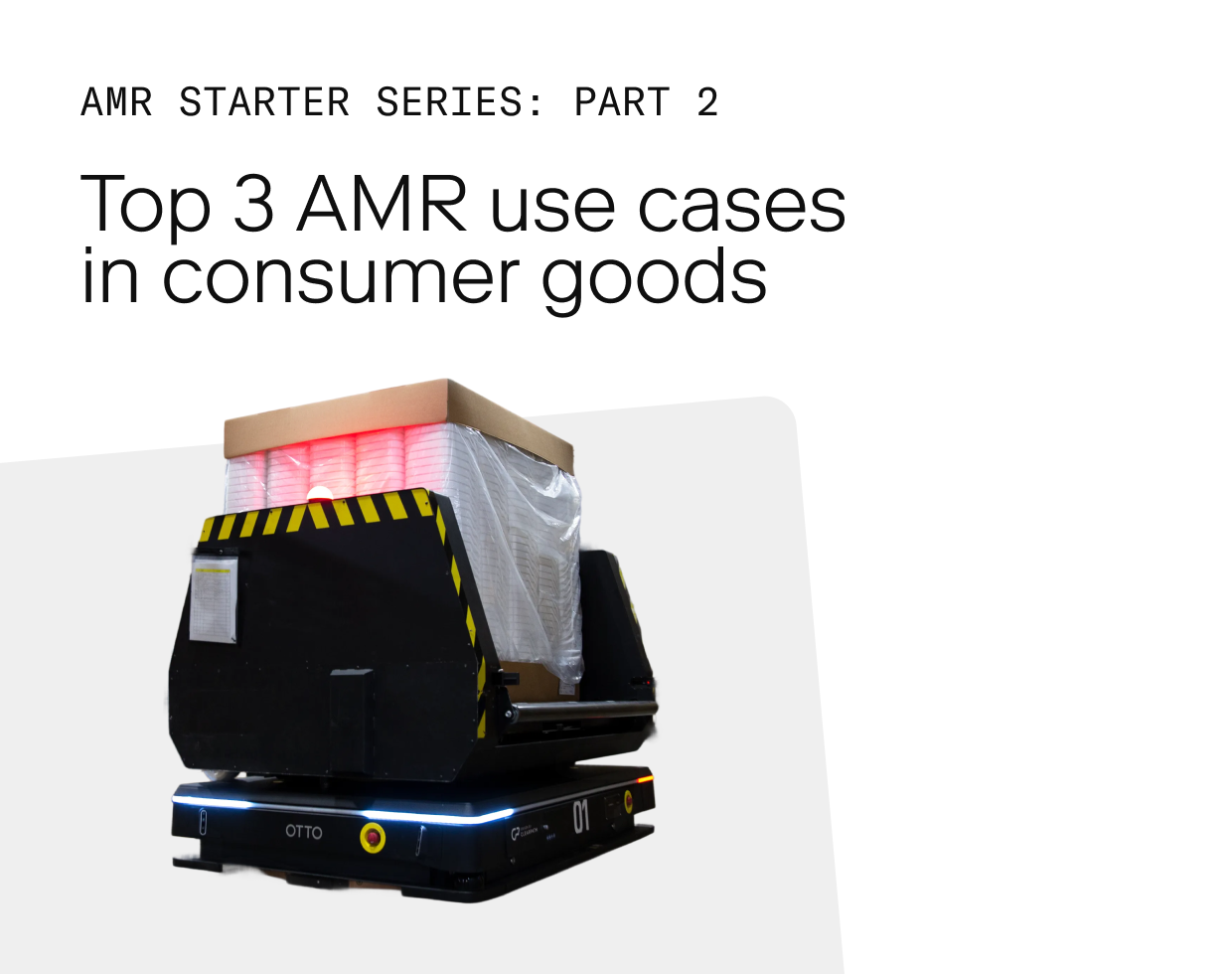
To solve these challenges, the manufacturer deployed two OTTO 100 AMRs alongside 24 custom red staging carts.
In the updated workflow, operators now load materials directly onto the staging carts at the raw material assembly zone, eliminating the need to lift stacks from the floor. Once a cart is full, an OTTO 100 AMR autonomously picks it up and delivers it to one of the final assembly areas across the facility.
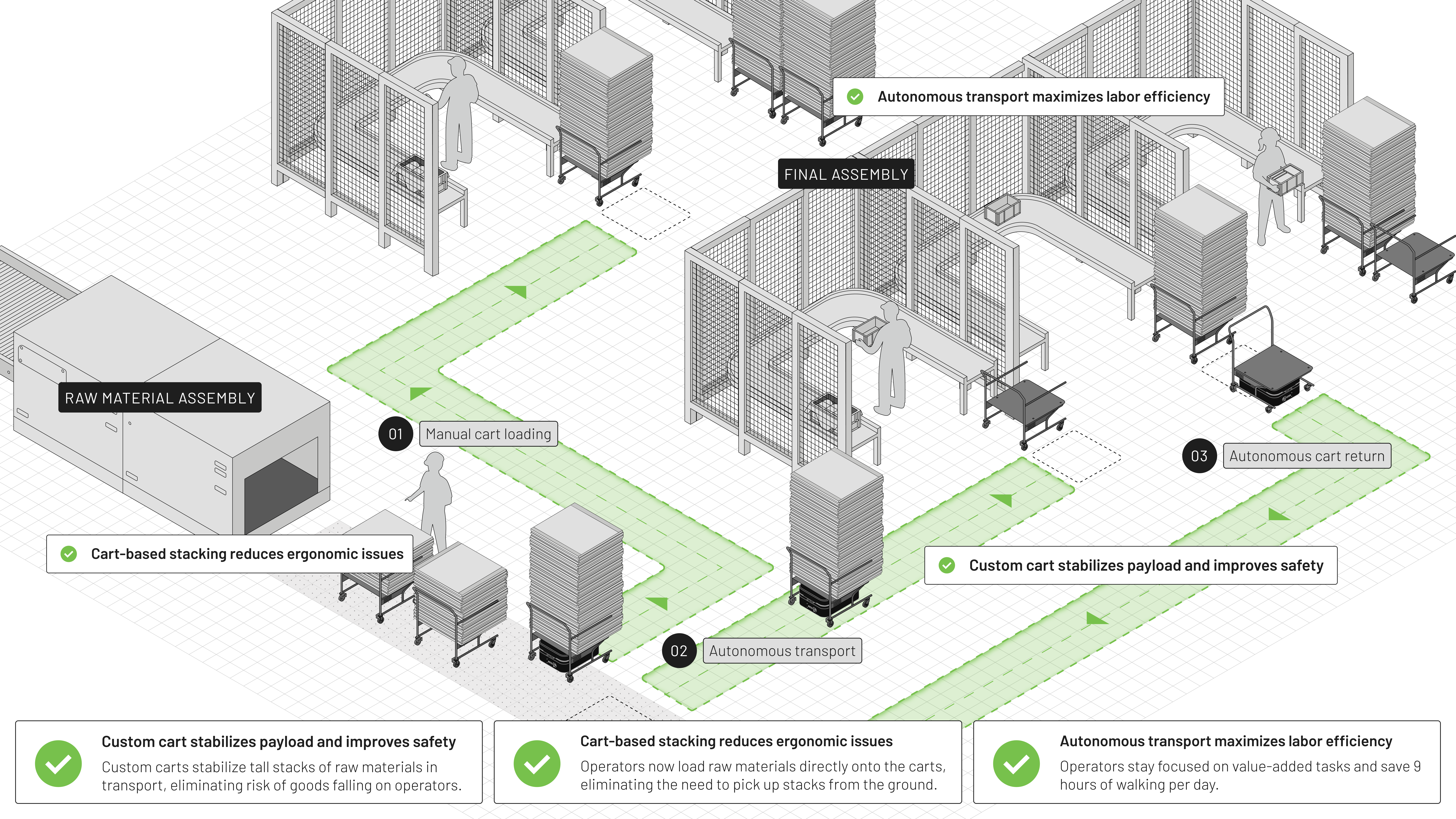
Image 2: By deploying AMRs and custom staging carts, the leading furniture manufacturer solved their challenges.
By automating material transport, operators remain focused on assembly tasks while the AMRs handle hours of repetitive movement each day. The custom carts also improve safety by stabilizing payloads during transport and reducing the risk of materials falling while moving through the facility.
As a result, the manufacturer automated more than nine hours of walking per day, significantly improving labor efficiency while reducing physical strain and safety risks for operators.
Raw materials to final assembly is just one example of where AMRs can deliver measurable impact on the plant floor. To learn more and explore two additional high-value consumer goods workflows, watch our on-demand webinar, “Top 3 AMR use cases in consumer goods.”
Subscribe to our newsletter
Stay in the loop on product news, case studies, upcoming events and more.
Please allow all cookies to access this form.