Blog
3 flexibility considerations for autonomous material flow
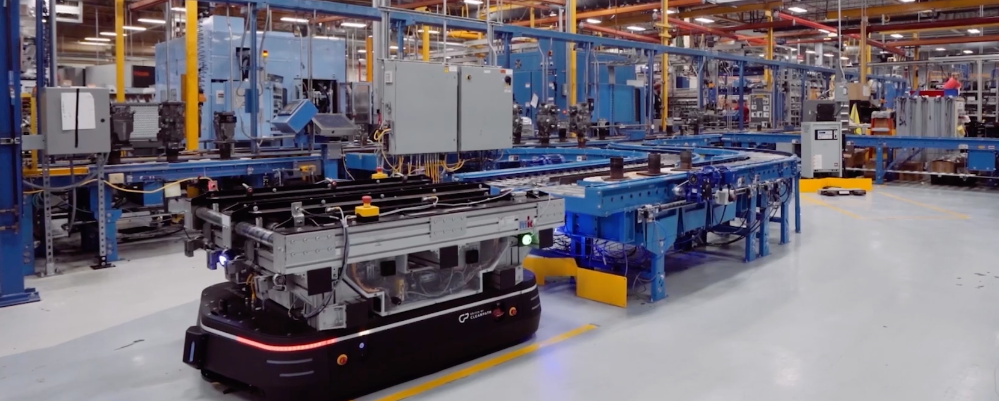
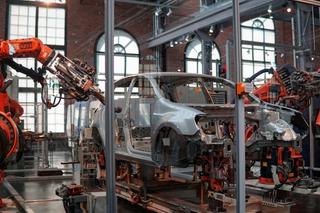
Manufacturing operations are becoming increasingly variable as production volumes fluctuate, workflows evolve, and product mixes continue to change. As consumer demands shift, manufacturers must continuously adapt to new production lines, changing facility layouts, seasonal demand, and greater product customization.
Keeping material flow aligned with these changes has become a growing operational challenge. Left unmanaged, this variability can lead to revenue losses of 5% to 15% and increase costs by up to 20% due to added complexity.
Autonomous material handling can help manufacturers respond more effectively to changing production demands; however, long-term flexibility depends on more than the robots themselves. When evaluating solutions, manufacturers should look beyond the vehicle and consider the capabilities that enable their material flow system to adapt over time.
3 flexibility considerations when evaluating AMR solutions
A flexible material handling solution needs to do more than move materials from point A to point B. The right solution should provide the intelligence, configurability, and integration capabilities needed to adapt as operations evolve. When evaluating autonomous material handling solutions, consider these three key capabilities:
- Intelligent fleet management: A flexible AMR solution should be able to make decisions in real time as production conditions change. Look for capabilities that enable the fleet to automatically assign tasks, optimize routes, manage traffic, and opportunistically charge.
- Configurable workflow management: Manufacturing processes rarely stay the same. Whether adding a new production line, changing pickup locations, or expanding within a facility, your AMR solution should make it simple to update workflows and adapt as your needs evolve.
- Integrated production orchestration: The greatest flexibility comes when your solution is connected to the broader production environment. When AMRs are integrated with existing production systems, they can respond to real-time changes on the plant floor, including shifts in schedules, priorities, and production requirements.
Flexibility in action: How manufacturers are building future-proofed operations
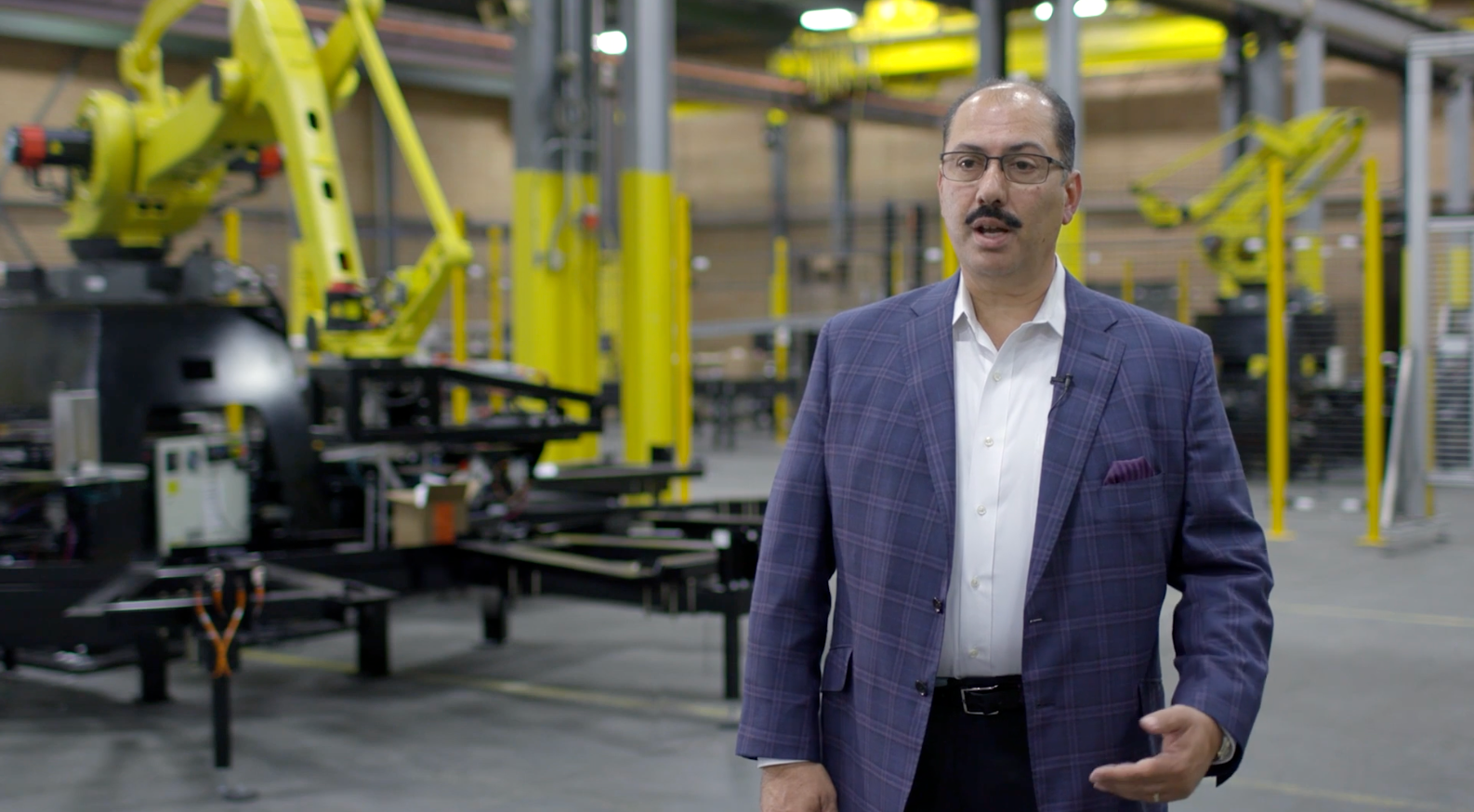
Video 1: Manufacturers share how OTTO’s autonomous material handling solutions are helping them adapt to changing production demands.
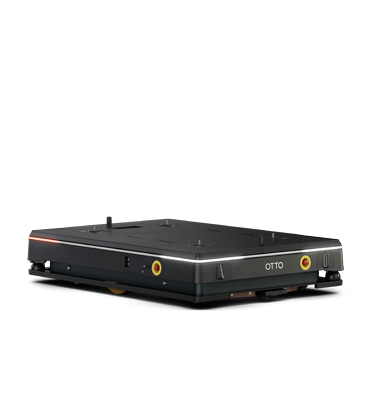
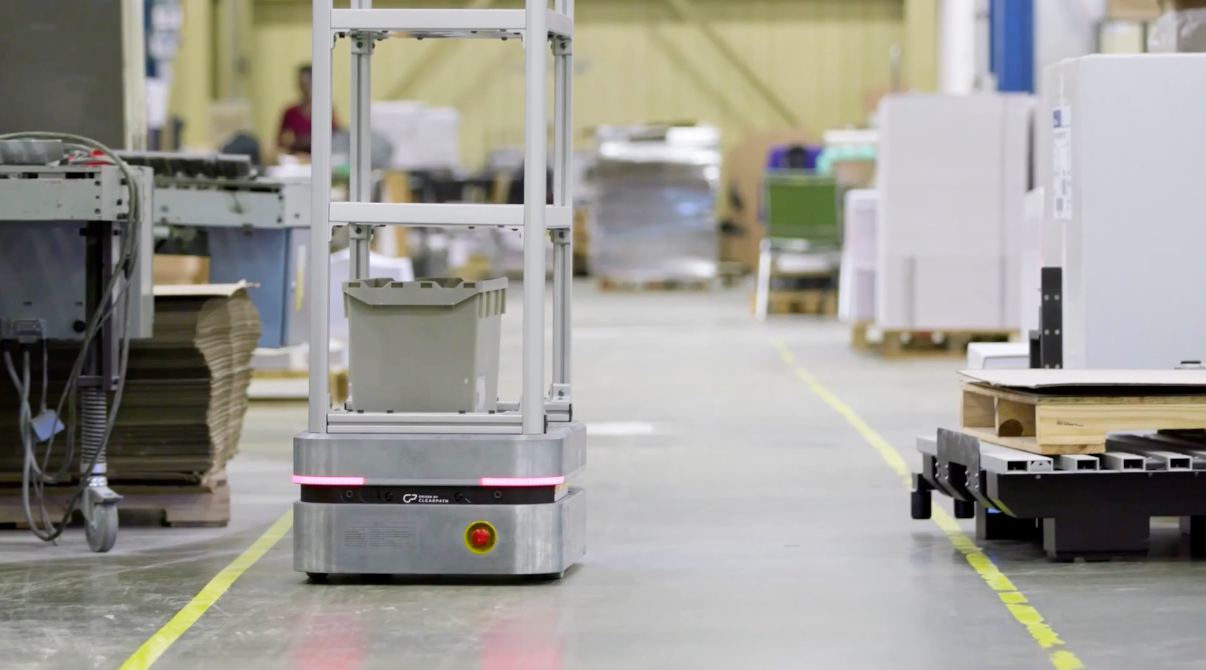
These capabilities are already helping manufacturers address production variability challenges across industries. For example, an automotive OEM needed to support a new production line 700 meters away without doubling its existing AGV fleet or adding significant infrastructure. By deploying 88 OTTO 1500 AMRs to support its sub-assembly-to-main-line workflow, the OEM’s most profitable plant created a more flexible material flow solution that improved production rates by 20%.
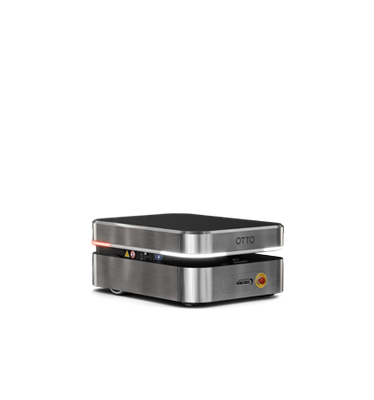
Similarly, a global consumer goods packaging manufacturer faced seasonal demand fluctuations that required temporary workers to keep up with production peaks. This created safety risks, process inconsistencies, and pulled operators away from value-added tasks. By deploying 17 OTTO 100 AMRs to automate material movement from finished goods through end-of-line packaging, the manufacturer improved flexibility, increased machine uptime, and achieved an estimated $3M in annual benefits.
These examples demonstrate how the right combination of AMR capabilities can help manufacturers build more flexible operations that adapt to changing production demands. To learn more, watch our webinar “Future-proofing operations with flexible material flow.”
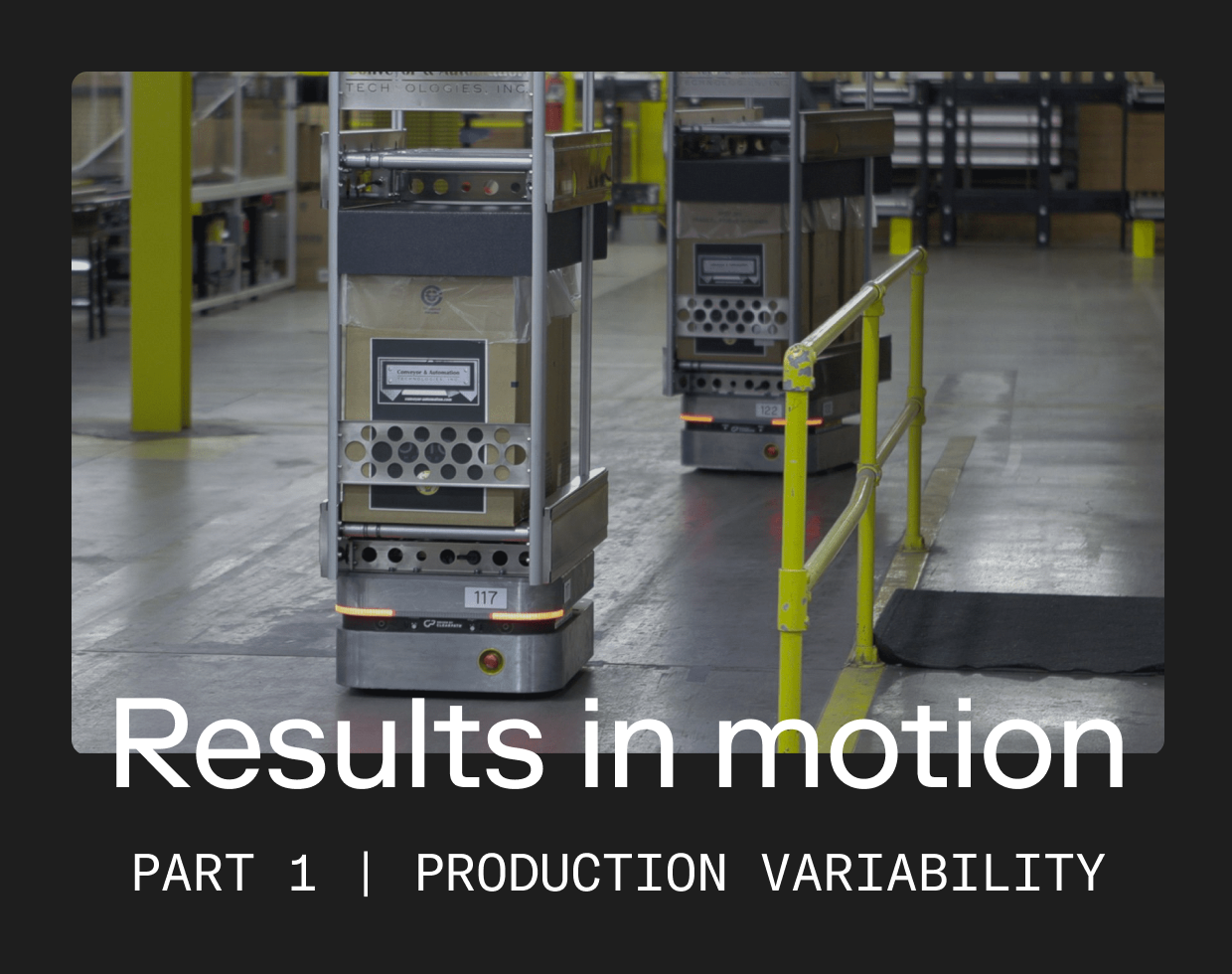
For more insights on how autonomous material handling solutions can help improve safety and increase throughput, register for the full "Results in motion" webinar series.
Subscribe to our newsletter
Stay in the loop on product news, case studies, upcoming events and more.
Please allow all cookies to access this form.