Blog
Top F&B manufacturer replaces AGVs with safe, flexible AMRs to move 140+ pallets per hour
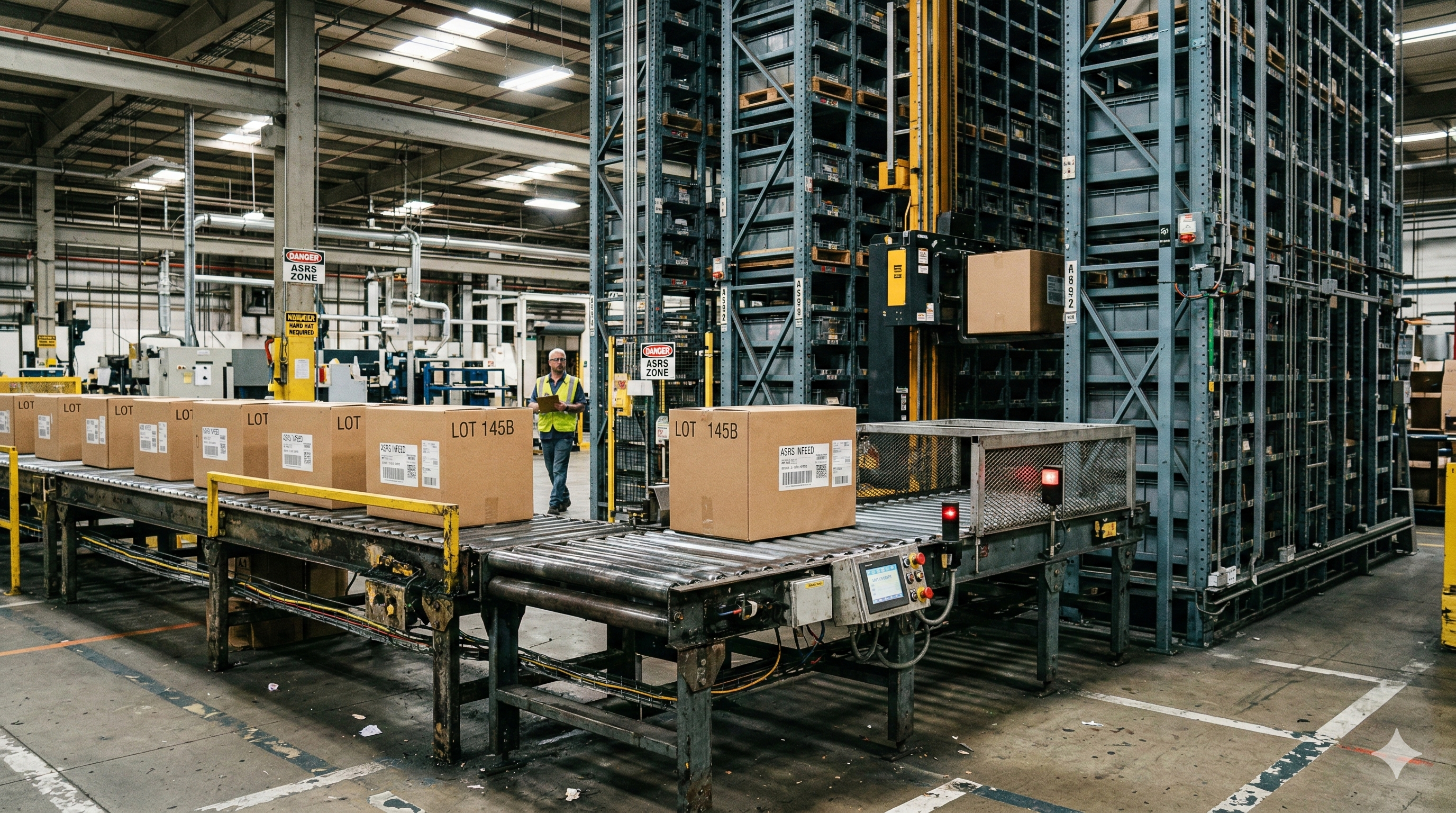
Autonomous mobile robots (AMRs) can deliver rapid ROI, improve safety, and increase efficiency—but the biggest gains come when they’re applied to the highest-value workflows. In the consumer goods industry, one of the most common and impactful workflows is moving materials from the stretch-wrapper to the ASRS and finally to outbound shipping. Here’s how one of the world’s largest food and beverage manufacturers replaced inflexible AGVs to move goods safely and efficiently.
At a world-leading food and beverage manufacturer, aging automated guided vehicles proved too inflexible and unsafe
Before deploying AMRs, this leading food and beverage manufacturer relied on automated guided vehicles (AGVs) to move pallets between the stretch-wrapper, automated storage and retrieval system (ASRS), and outbound shipping.
With the existing system, safety was a major concern. These legacy AGVs were only capable of stopping on impact, making them difficult to operate safely around workers and other equipment on the plant floor.
The aging system also created operational challenges. The AGVs relied on magnetic tape embedded in the floor, which made routes extremely rigid. Each time the facility needed to modify or expand a route, the magnets had to be removed and replaced—damaging the floor and causing costly downtime. At the same time, replacement parts for the outdated vehicles were increasingly difficult to source, leading to extended outages whenever a robot required repair.
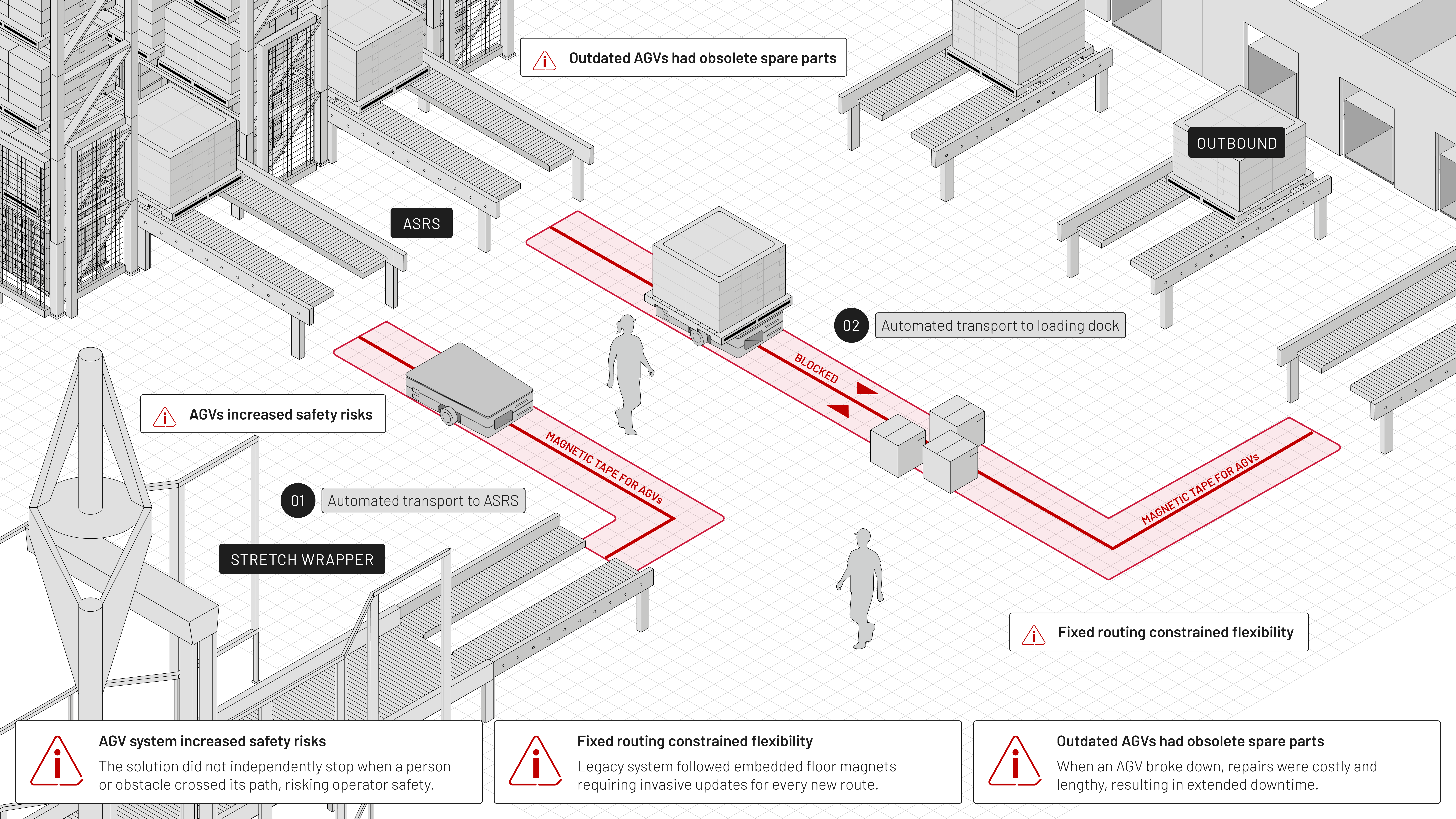
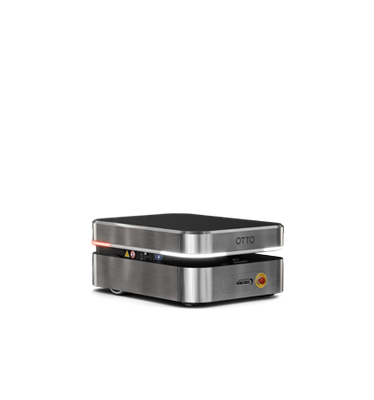
Image 1: The F&B manufacturer experienced safety issues, inflexibility and obsolescence with their previous AGV solution.
Manufacturer replaces outdated AGVs with autonomous mobile robots to safely move over 140 pallets per hour
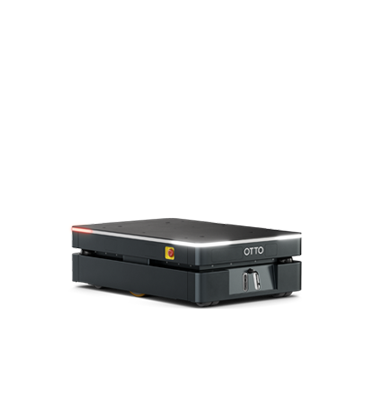
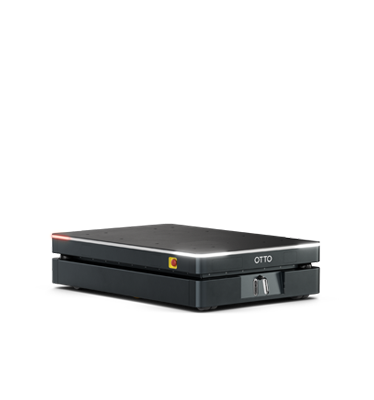
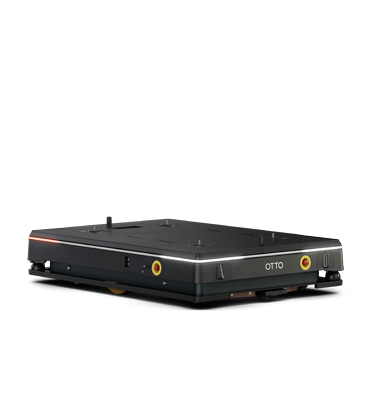
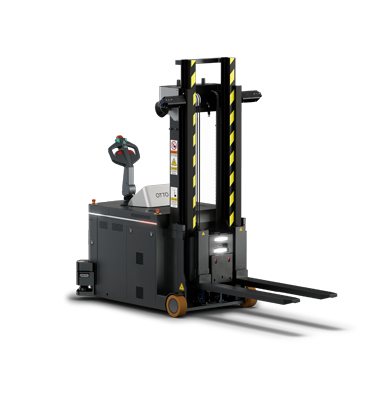
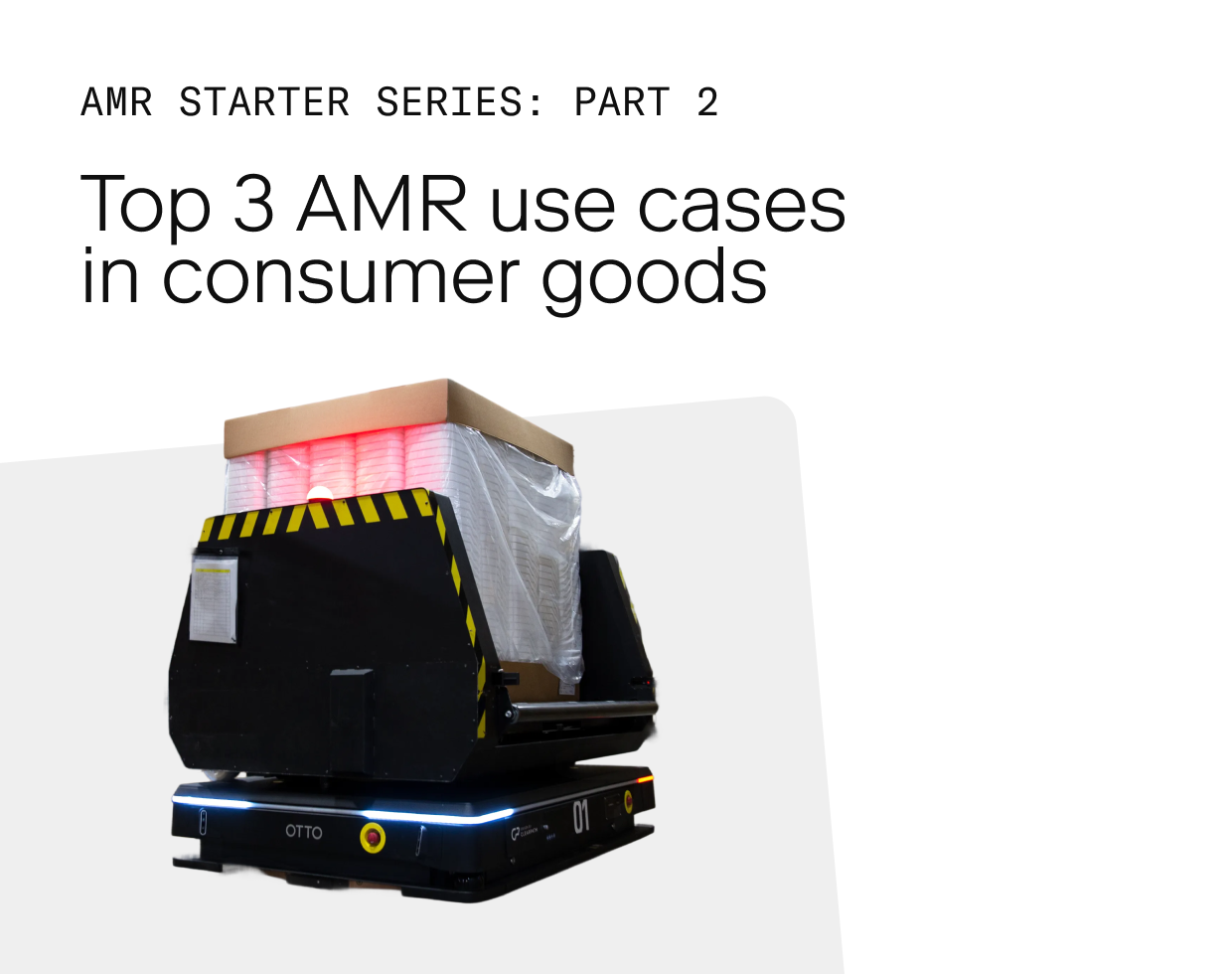
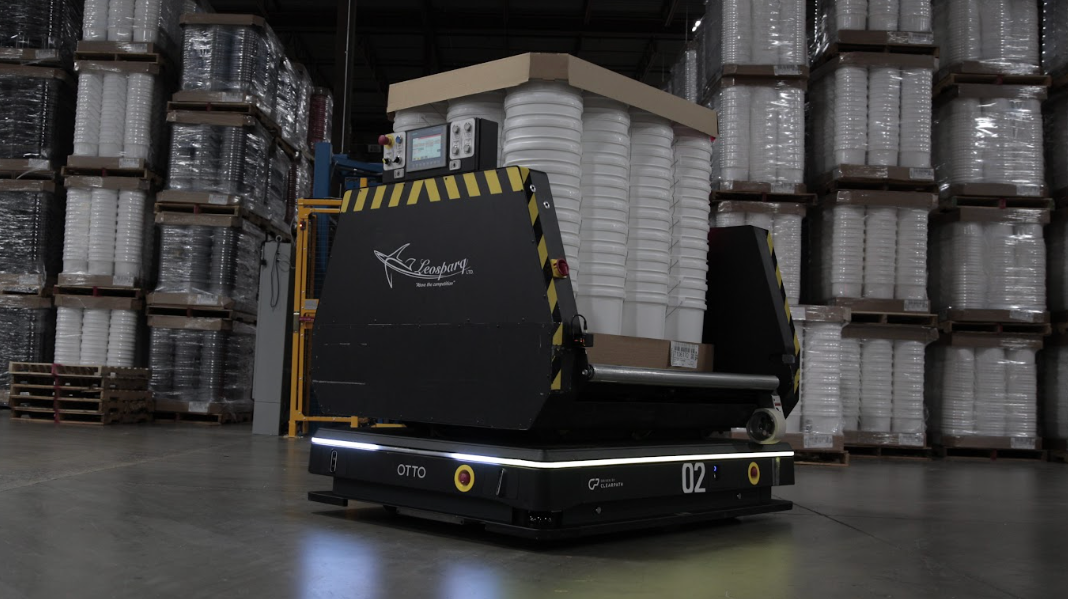
To solve these challenges, the manufacturer replaced their AGVs with over 25 OTTO 1500 AMRs equipped with custom lift attachments.
In the updated workflow, AMRs transport pallets directly from the stretch-wrapper to the ASRS, then retrieve stored pallets and deliver them to outbound staging. Unlike the previous system, AMRs do not rely on in-floor infrastructure. Instead, they navigate autonomously using LiDAR and 3D camera technology, allowing them to detect obstacles, safely slow down near people, and stop before impact.
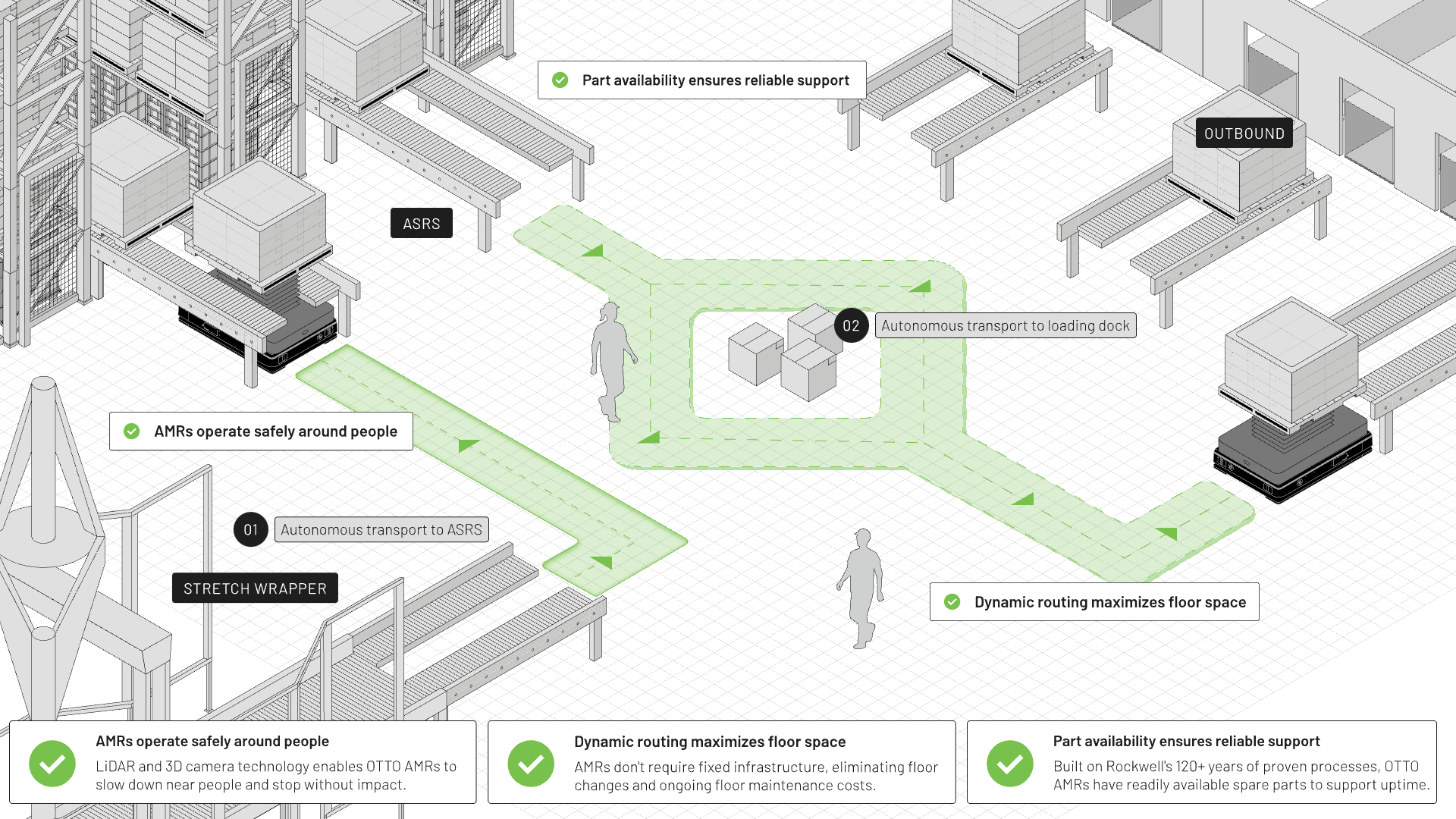
Image 2: By deploying AMRs, the top F&B manufacturer solved their challenges.
As a result, the facility significantly improved safety while gaining the flexibility to modify routes without damaging floors or interrupting production. Today, the AMR fleet moves more than 140 pallets per hour, enabling safe and efficient pallet transport across the facility.
Stretch-wrapper to ASRS to outbound is just one example of where AMRs can deliver measurable impact on the plant floor. To learn more and explore two additional high-value consumer goods workflows, join our webinar on March 19 at 1:00 p.m. ET.
Subscribe to our newsletter
Stay in the loop on product news, case studies, upcoming events and more.
Please allow all cookies to access this form.