Blog
3 throughput considerations for autonomous material flow
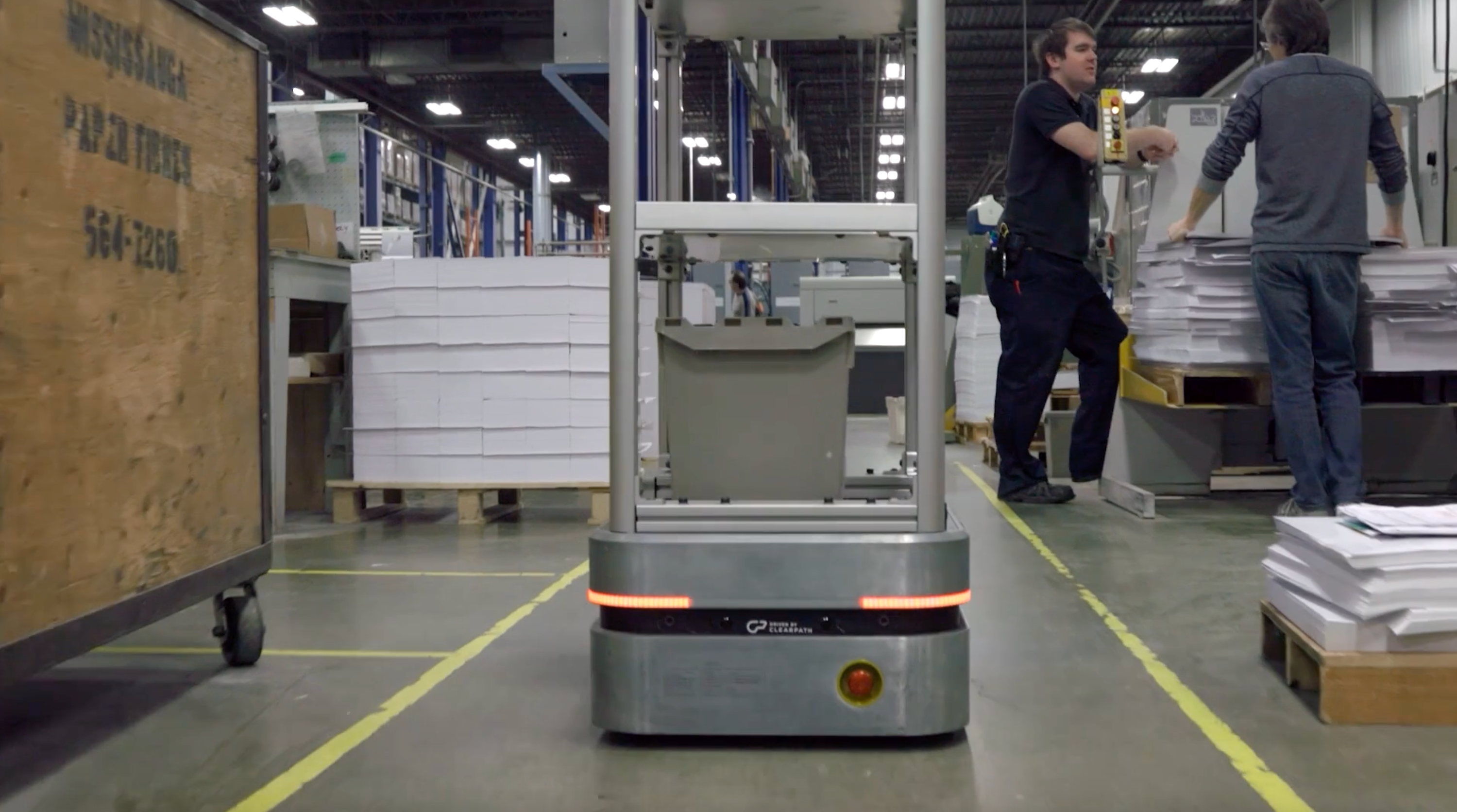
Manufacturers are under constant pressure to increase throughput, but inefficiencies in material flow can make it difficult to keep production moving. Manual movement can create bottlenecks and pull operators away from value-added work, reducing productivity. In fact, unplanned downtime costs manufacturers up to $852 million per week, collectively.
While manufacturers have made major strides in automating material movement, disconnected systems and limited data visibility across today’s operations can make it difficult to identify these bottlenecks and optimize production.
Supply chains can no longer be optimized at the edges—they must be rewired end-to-end. Only connected, intelligent, and automated real-time networks will withstand the volatility and meet the future customer demands for speed and efficiency.
John Paxton, CEO, Material Handling Institute (MHI)
Autonomous material handling can help address these challenges, but maximizing throughput requires more than simply moving materials from point A to point B. When evaluating solutions, manufacturers should adopt a holistic approach that moves materials in the most efficient, connected, and data-driven way possible.
3 throughput considerations when evaluating autonomous material handling solutions
The right solution should optimize material movement by connecting systems across the facility and providing the visibility needed to continuously improve operations. When evaluating autonomous material flow solutions, consider these three key capabilities:
- Intelligent fleet management: Efficient material flow starts with optimizing how robots move throughout the facility. Look for fleet management capabilities that streamline material transfers between processes, deliver materials just in time to minimize excess WIP staging, and reduce non-value-added movement.
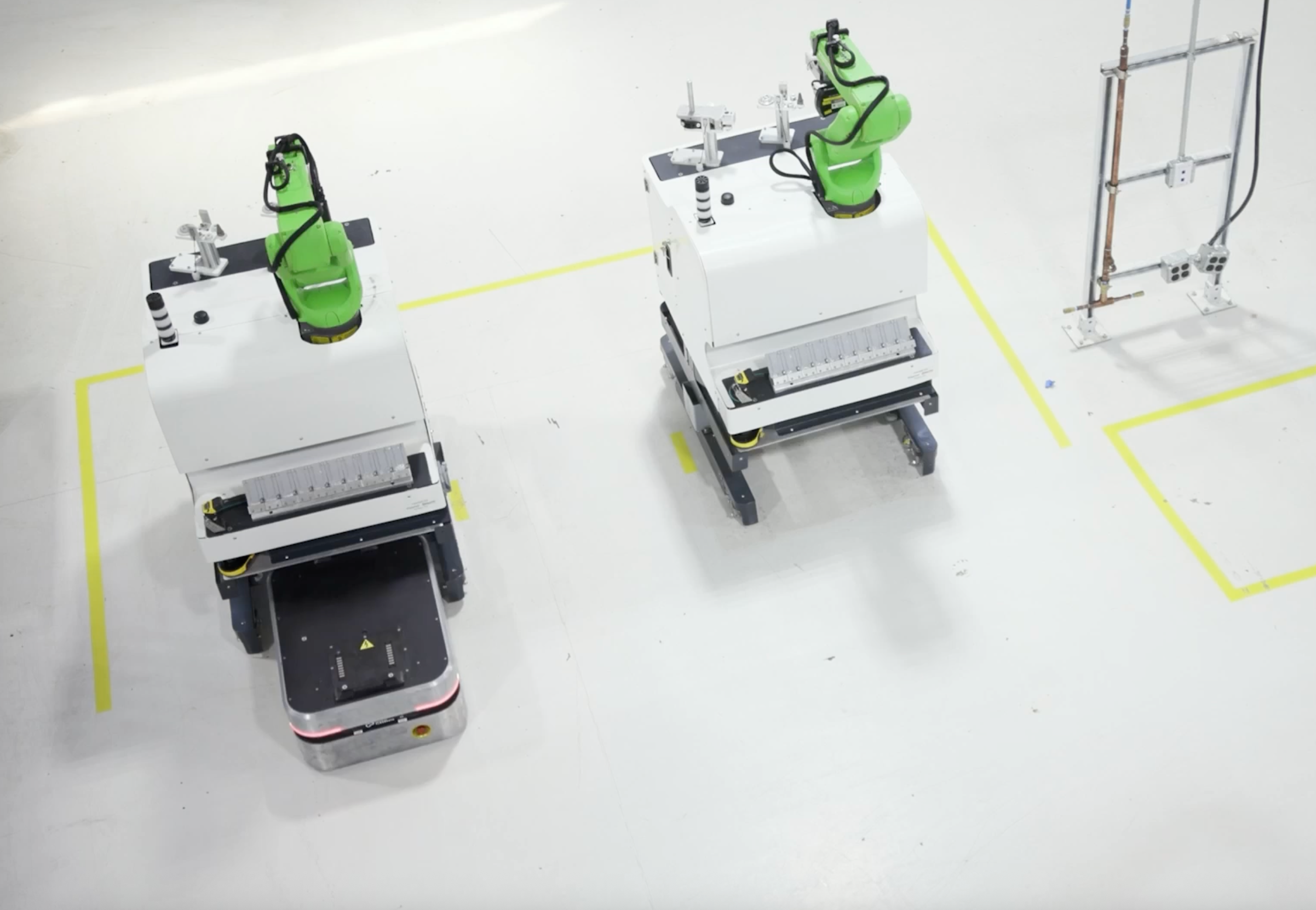
- Integrated production orchestration: Coordination across IT and OT systems keeps production moving efficiently. Look for capabilities that connect material movement robots with enterprise and production systems, coordinate workflows across automation technologies, and enable real-time communication between connected systems.
- Centralized operational intelligence: Accessing the right data helps identify bottlenecks and continuously improve operations. Look for capabilities that translate production data into a shared language, surface opportunities to improve efficiency, and enable manufacturers to simulate proposed changes before implementation.
Throughput in action: How manufacturers are creating more efficient material flow
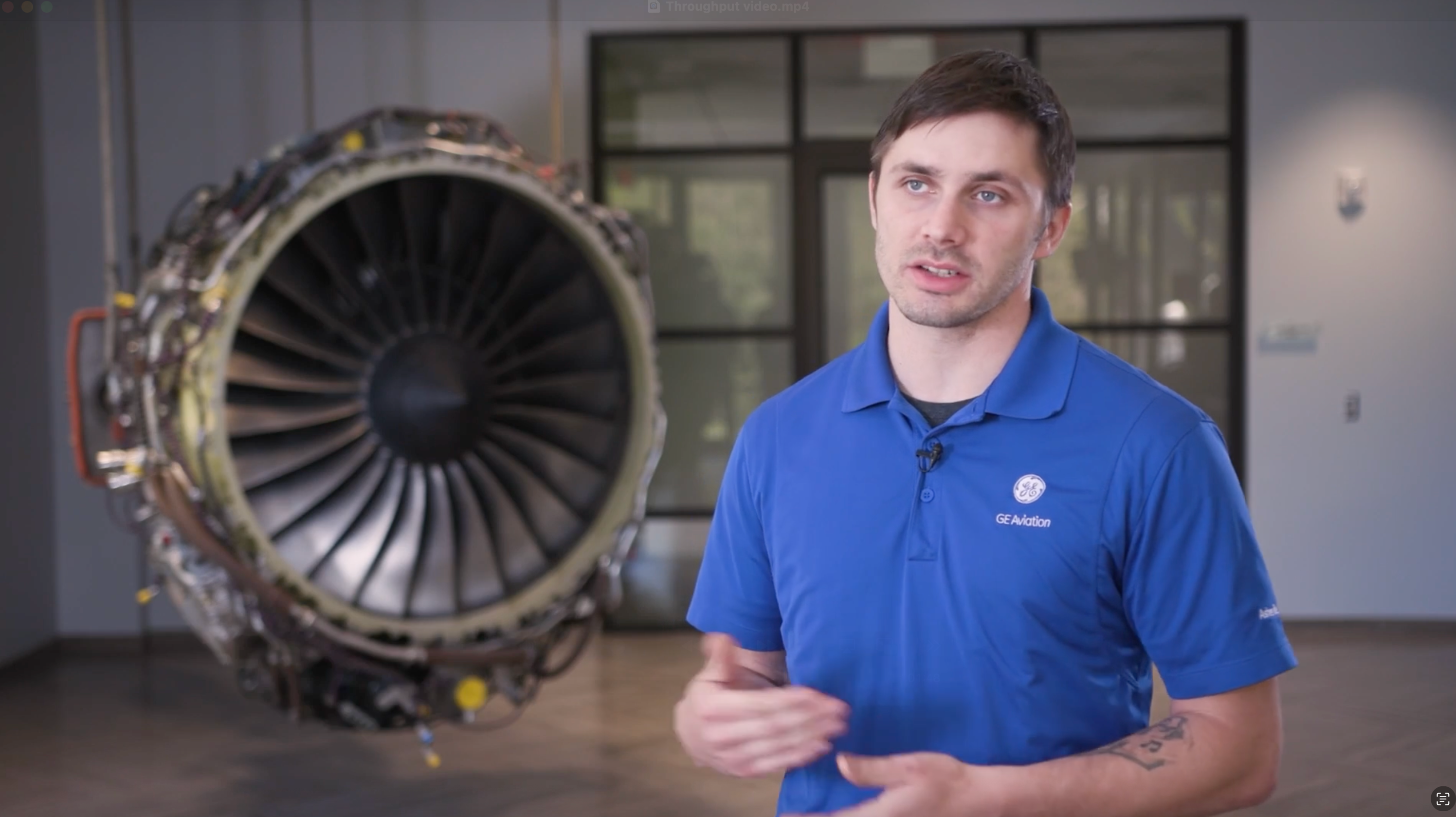
Video 1: Manufacturers share how OTTO’s autonomous material handling solutions are helping them improve efficiency in their operations.
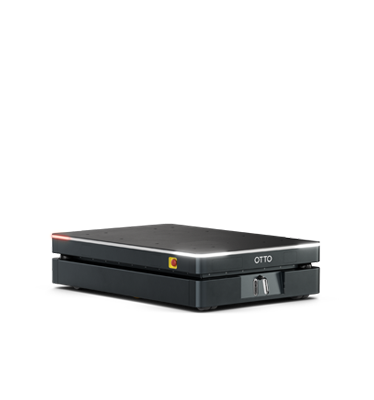
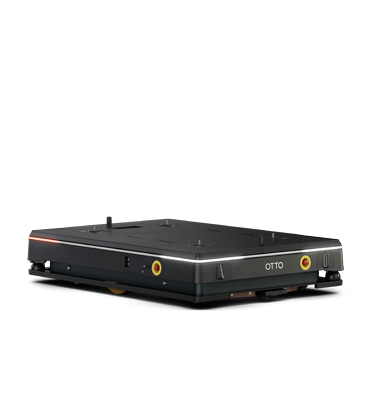
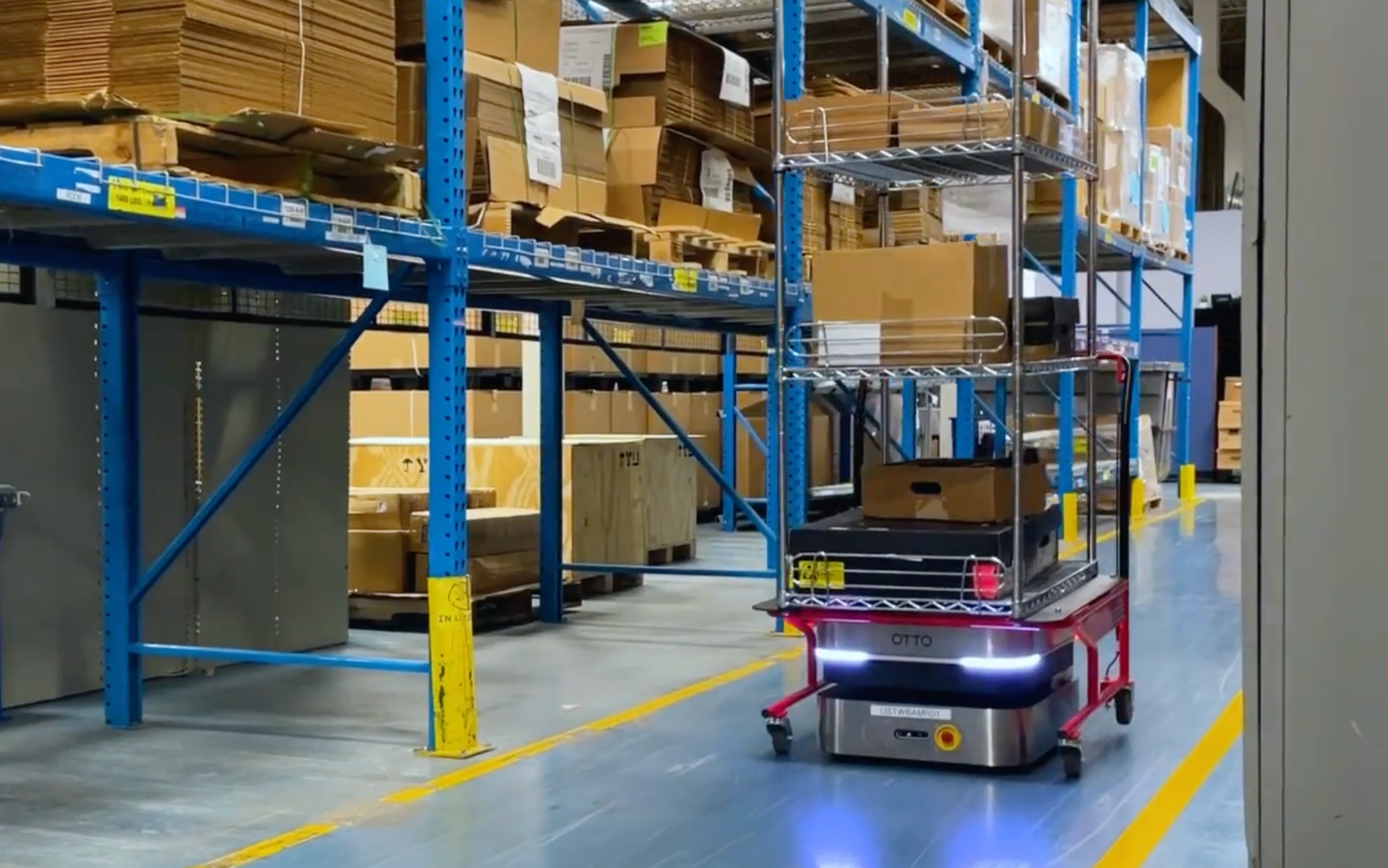
These capabilities are already helping manufacturers improve throughput and create more efficient material flow. For example, a global packaging manufacturer needed to increase throughput at two of its facilities, where manual movement and inefficient AGVs were limiting production flow. By replacing the AGVs with two OTTO 1500 autonomous mobile robots (AMRs) at one of its facilities, the manufacturer increased throughput by 6x, while also improving labor efficiency and reducing reliance on unsafe material handling practices. Learn more about this deployment.
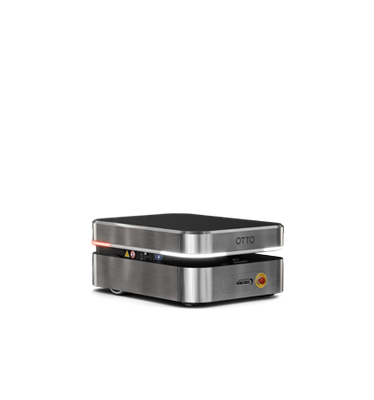
Similarly, at Rockwell Automation’s Twinsburg, Ohio facility, more than 50% of material movement was manual, creating inconsistent flow, excess WIP staging, and inefficient use of labor. By integrating OTTO 100 AMRs with FactoryTalk Orchestration software, the facility reduced staging space by 50%, reduced production line downtime by 20%, and achieved $162,000 in annual savings. Learn more about this deployment.
These examples demonstrate how taking an end-to-end approach to autonomous operations can help create more efficient material handling. To learn more, watch our webinar “Increasing throughput with reliable material flow.”
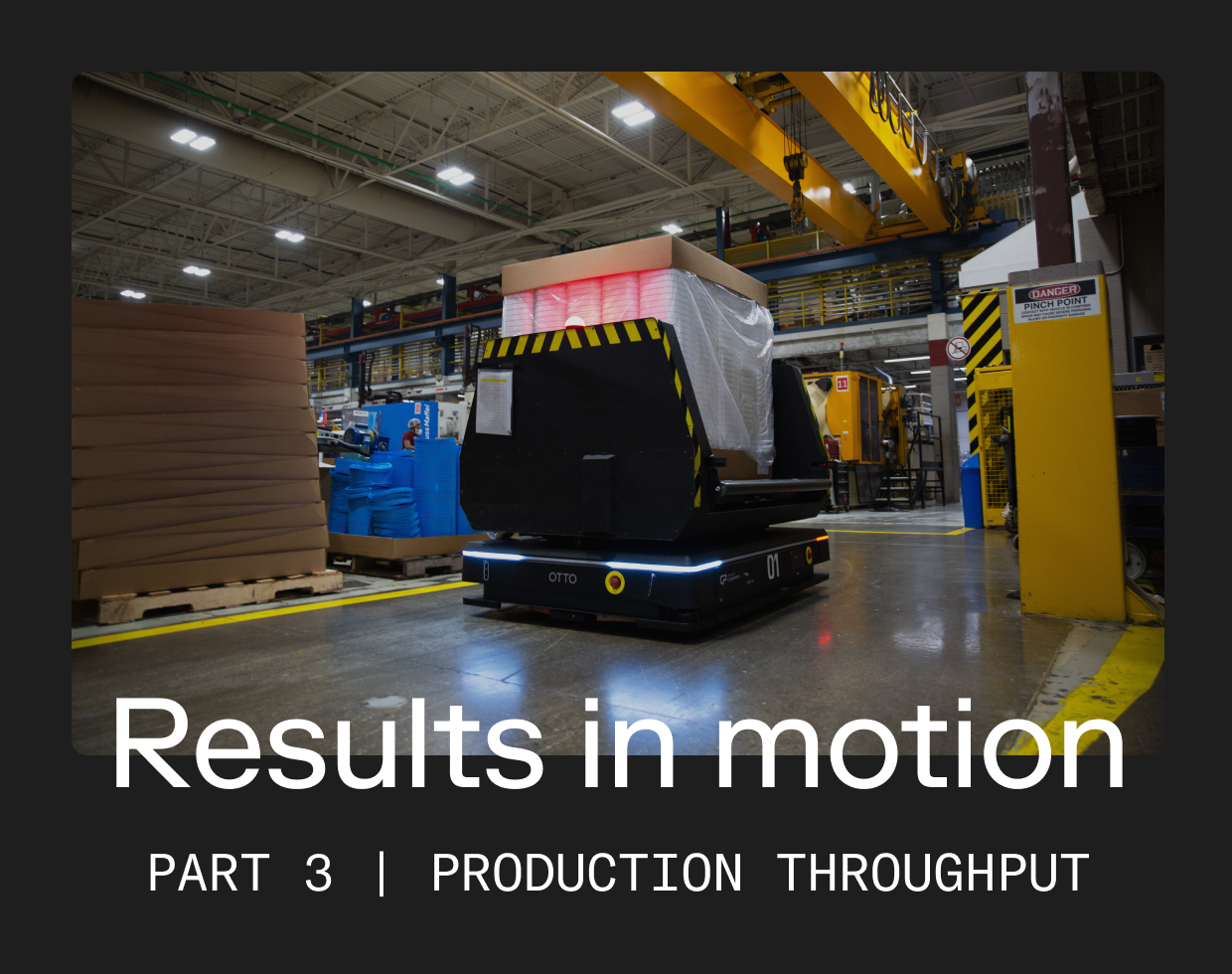
For more insights on how autonomous material handling solutions can help improve flexibility and safety, watch the full "Results in motion" webinar series on demand.
Subscribe to our newsletter
Stay in the loop on product news, case studies, upcoming events and more.
Please allow all cookies to access this form.