Blog
3 safety considerations for autonomous material flow
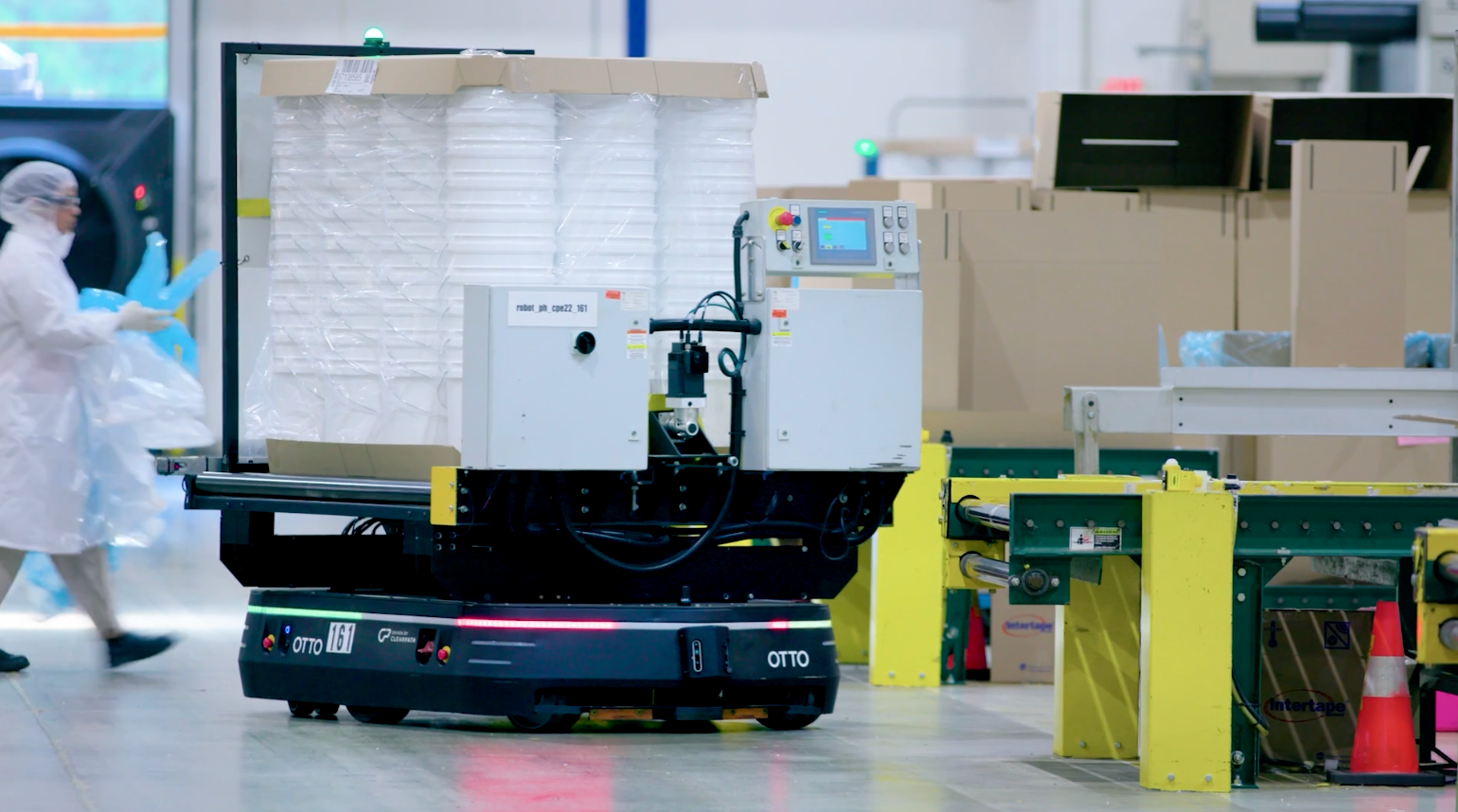
Manual material movement can introduce significant safety challenges in manufacturing environments. Moving heavy loads and repeating the same tasks throughout a shift can contribute to ergonomic strain and worker fatigue. At the same time, shared spaces between pedestrians and equipment such as forklifts and AGVs can introduce additional risks, particularly when unexpected movements or limited visibility increase the potential for collisions.
In fact, contact with equipment is the most common cause of workplace injuries among manufacturing workers, with a 90% chance of a serious accident occurring during the average eight-year lifespan of a forklift. Overexertion is the second most common cause, highlighting the risks associated with manual cart movements as well.
Safety is a top priority for manufacturers, and it should be for their autonomous material handling provider as well. When evaluating AMR solutions, manufacturers should look beyond basic vehicle safety features and consider the capabilities, standards, and approach that support safer material flow across the facility.
3 safety considerations when evaluating AMR solutions
A safe autonomous material handling solution needs to do more than move materials from point A to point B. The right solution should combine safety-rated technology, efficient operation, and a safety-focused approach throughout deployment. When evaluating autonomous material handling solutions, consider these three key capabilities:
- Safety-rated technology: Safety should be a baseline expectation for any AMR solution. Look for technologies and capabilities that meet recognized safety standards, are equipped with 3D depth sensing cameras and safety-rated LiDAR, automatic braking and payload sensing capabilities, and dynamic obstacle detection and avoidance.
- Safety without compromising efficiency: A safe solution should also maintain efficient material flow. Look for autonomy software that optimizes safe stopping distances, proactively avoids unnecessary slowdowns, and dynamically routes to maintain material flow. The right solution should balance speed and safety to improve throughput and ROI without increasing risk.
- Accountability beyond the robot: Safety extends beyond the technology itself. Look for a partner that takes a safety-first approach throughout the deployment, with investment in safety engineering, deployment validation and governance, and ongoing accountability for the safety of the solution after implementation.
Safety in action: How manufacturers are creating safer material flow
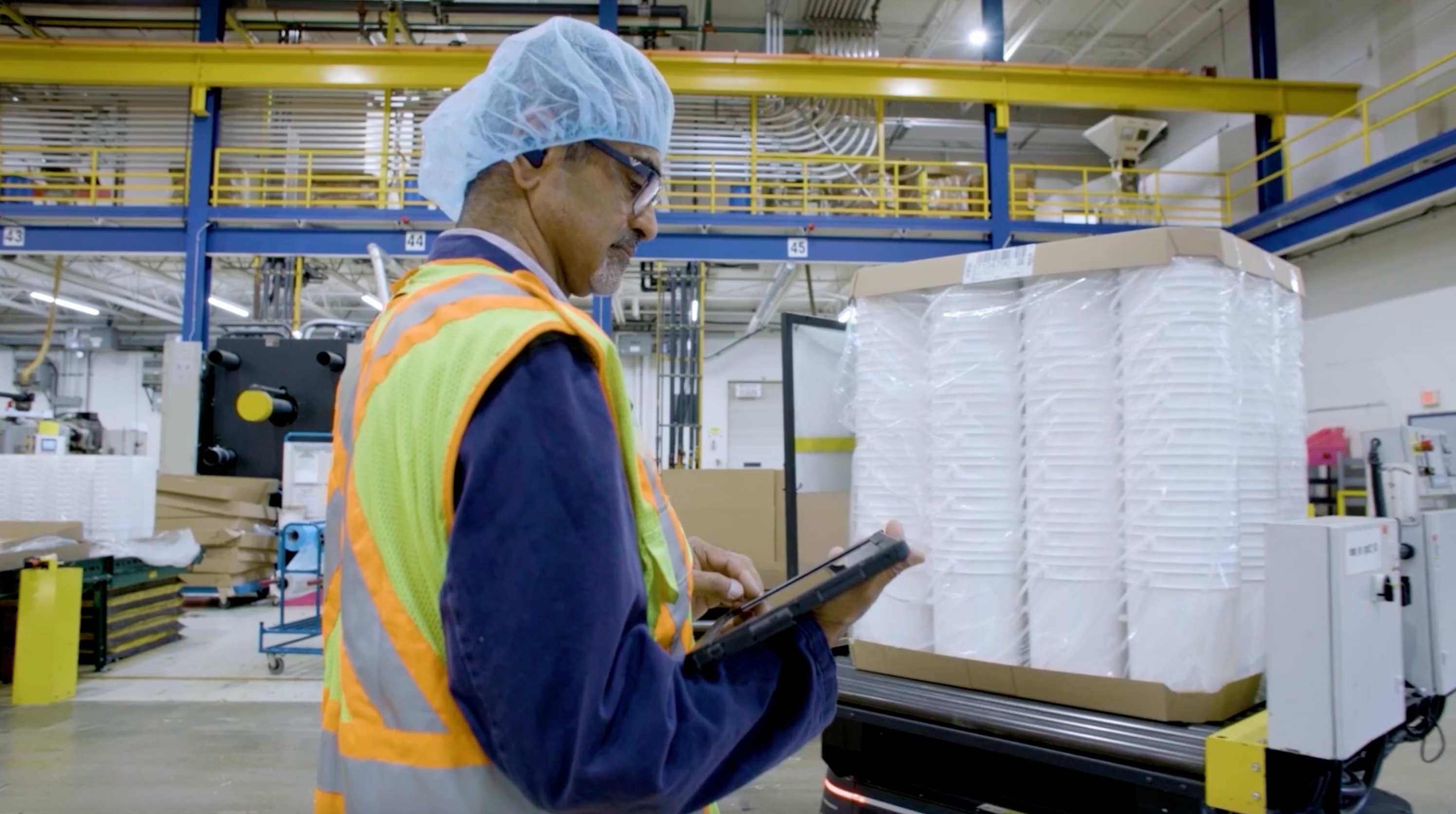
Video 1: Manufacturers share how OTTO’s autonomous material handling solutions are helping them improve safety in their operations.
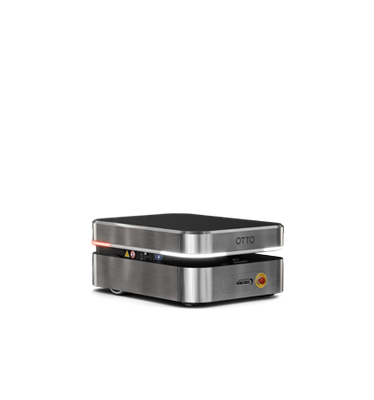
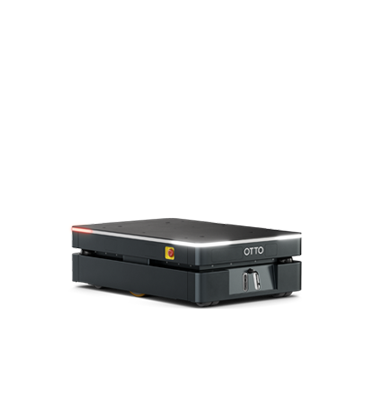
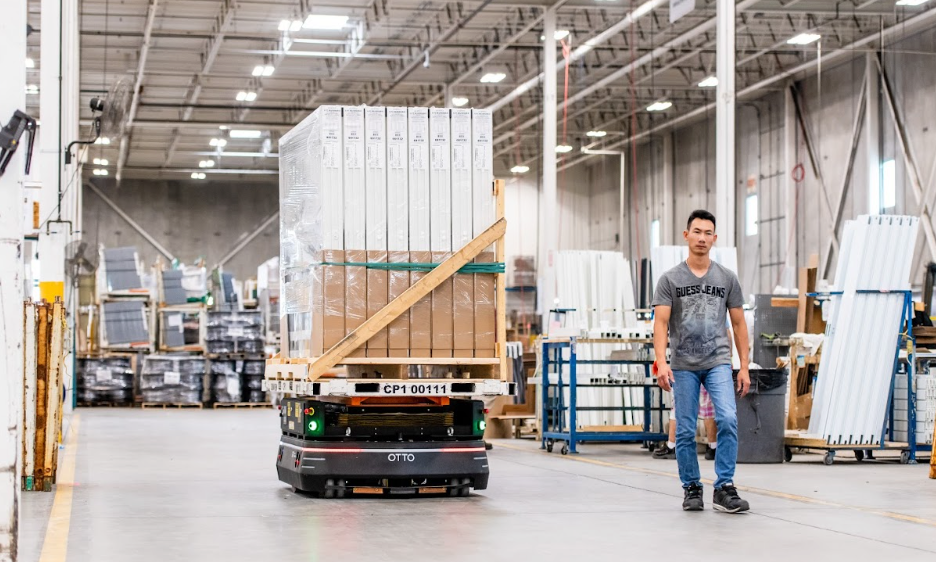
These capabilities are already helping manufacturers address safety challenges across a range of material handling environments. For example, a global furniture manufacturer previously had operators pushing tall stacks of shipping trays on dollies across the facility, creating ergonomic strain and safety risks due to limited visibility. By deploying two OTTO 100 AMRs with 24 staging carts to serve more than ten assembly areas, the manufacturer eliminated nine hours of walking each day, allowing operators to focus on value-added work while reducing ergonomic and safety risks.
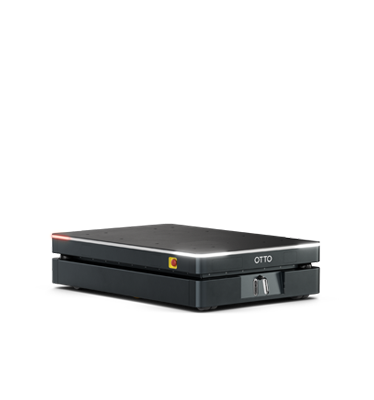
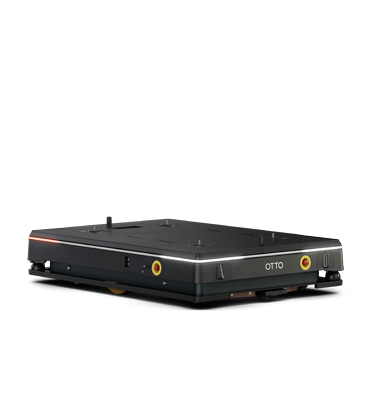
Similarly, manufacturers are using AMRs to address safety risks created by legacy equipment. A leading automotive OEM needed to remove forklifts from pedestrian areas while keeping pace with a 62-second production cycle, while a global food and beverage manufacturer faced similar concerns with aging AGVs that could only stop on impact. By replacing these systems with OTTO AMRs, both manufacturers improved safety while maintaining efficient material flow. With eleven OTTO 1500 AMRs and FactoryTalk Optix integration, the automotive OEM met its productivity targets, while the food and beverage manufacturer now moves more than 140 pallets per hour with twenty-five OTTO 1500 AMRs.
These examples demonstrate how the right combination of AMR capabilities can help manufacturers build safer operations that reduce risks and ergonomic strain. To learn more, watch our webinar “Prioritizing safety in material handling operations.”
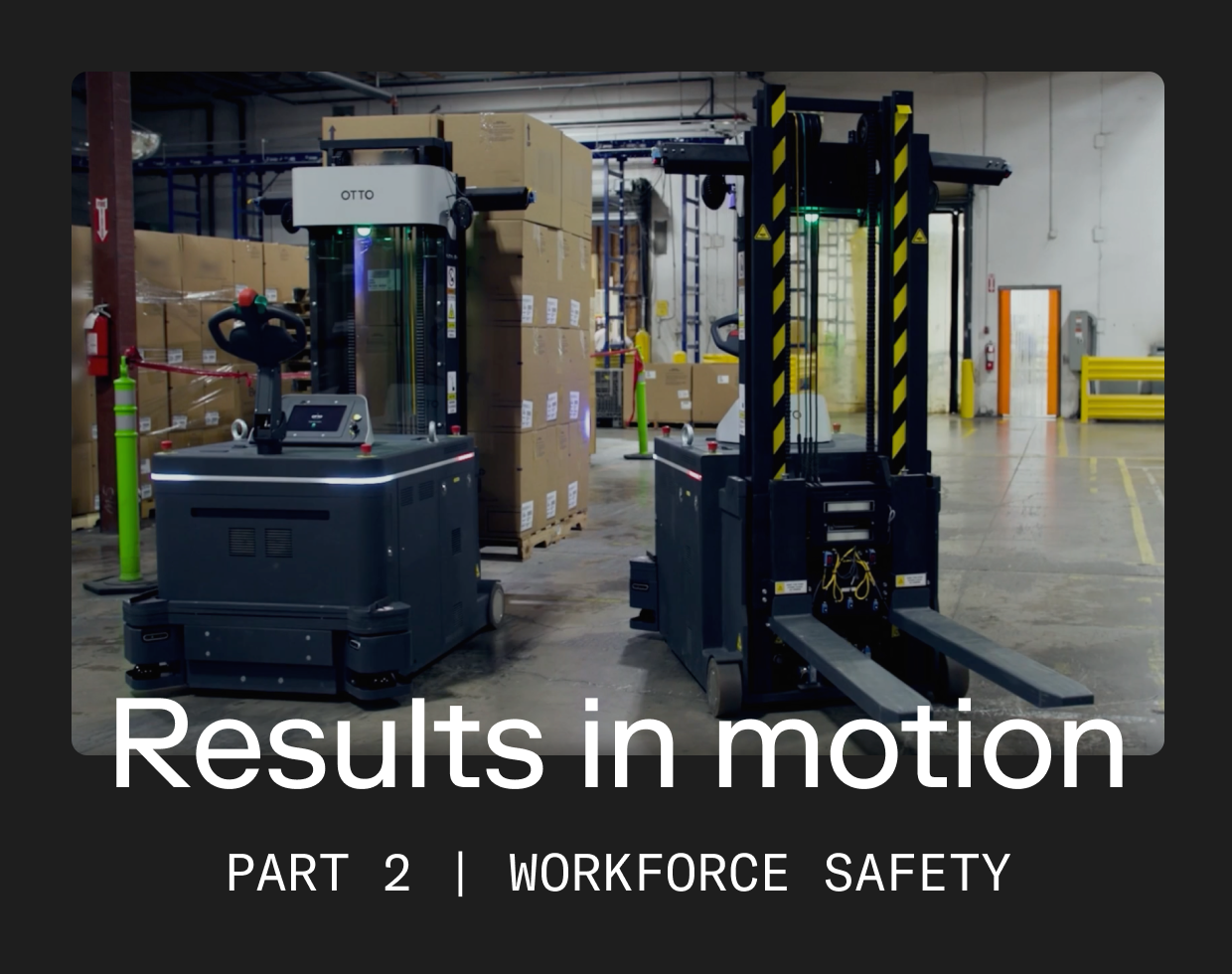
For more insights on how autonomous material handling solutions can help improve safety and increase throughput, register for the full "Results in motion"webinar series.
Subscribe to our newsletter
Stay in the loop on product news, case studies, upcoming events and more.
Please allow all cookies to access this form.